












 Dog
Dog
 Cat
Cat
 Sign In
 Create Account


Key Takeaways:
- A dog’s lifespan is influenced by genetics, health history, nutrition, body condition, activity, veterinary care, and their environment, so supporting longevity involves several areas of everyday care.
- A complete and balanced dog food is formulated to provide the nutrients a dog needs in appropriate amounts for their life stage when fed as their main food, making the nutritional adequacy statement an important place to start when evaluating a recipe.
- Maintaining a healthy body condition supports mobility and quality of life, and your veterinarian can help you determine whether your dog’s weight, portions, treats, and activity level are appropriate for their individual needs.
- Protein quality involves more than the protein percentage on a guaranteed analysis because the protein sources, digestibility, overall nutrient balance, and your dog’s individual nutritional needs all contribute to the value of a food.
- Regular veterinary care gives you an opportunity to monitor your dog’s health, discuss changes in nutrition and activity, and adjust their care as they move through different life stages.
Every dog deserves a long, comfortable life, and most pet parents would do almost anything to give them one. While no one can predict exactly how long a dog will live, everyday choices can help support their health, comfort, and quality of life for years to come.
A dog’s lifespan is shaped by a combination of genetics, health history, age, breed, size, and daily care. Some factors are established early in life, while others give pet parents opportunities to make a difference. Nutrition, body condition, activity, preventive care, dental health, and the home environment all play a role in helping dogs stay healthy as their needs change.
If you’re a pet parent looking to extend your dog’s lifespan to the fullest, here are 8 recommended ways to put those odds in your canine companion’s favor.
8 Ways to Support a Longer, Healthier Life for Your Dog
1. Schedule Regular Preventive Veterinary Visits
Even when your dog is young or appears healthy, a wellness visit can do more than just confirm that everything is normal. It helps your veterinarian establish a baseline for your dog, track changes as they grow, and identify concerns earlier on so they may be easier to address.
During a wellness visit, your veterinarian can assess several parts of your dog’s health and give you time to discuss:
- Weight and body condition
- Dental health
- Nutrition and feeding
- Exercise and activity
- Preventive care
- Changes you’ve noticed at home
Regular veterinary care becomes especially valuable when something seems persistently different. Changes in appetite, energy, digestion, weight, behavior, or comfort have many possible causes. Your veterinarian can help determine whether your dog needs a change in diet, activity, additional testing, or another type of care altogether.
2. Feed a Complete and Balanced Diet for Their Life Stage
A dog food label can make a recipe sound ideal before you reach the most important line: the nutritional adequacy statement. This information tells you which life stage the recipe is formulated to support and whether it is intended to provide complete and balanced nutrition when fed as directed.
A “complete and balanced” dog food is terminology used only for foods formulated with all the nutrients needed for a particular life stage and in the right proportions for feeding as their main meals. “Complete” refers to the necessary nutrients, and “balanced” refers to the right proportions.
Depending on the recipe, the statement may cover:
- Growth: Nutrition intended to support puppies as they develop
- Maintenance: Nutrition intended to maintain adult dogs
- All life stages: Nutrition intended to support dogs during growth, maintenance, and gestation/lactation
- Gestation/Lactation: Nutrition intended to support pregnant or nursing dogs
The right life-stage designation depends on where your dog is in their development. Puppies generally need growth-formulated nutrition until they reach skeletal maturity, often around 1 year for small- and medium-sized dogs, while large- and giant-breed dogs may continue growing until about 15–18 months. After that, adult dogs generally need a food labeled for maintenance or all life stages.
There is no formal AAFCO “senior” life-stage designation. For general wellness planning, veterinarians often consider dogs senior during the last 25% of their expected lifespan. As a broad guide, that may begin around 8–11 years for small or toy breeds, 8–10 years for medium-sized breeds, 8–9 years for large breeds, and 6–7 years for giant breeds. These are general ranges, not automatic reasons to change foods. Older dogs may need dietary changes based on factors such as weight, activity, digestion, mobility, or overall health.
Check the nutritional adequacy statement rather than relying solely on the word “puppy” or “senior” in a recipe name.
Once you've confirmed that a recipe is appropriate for your dog's life stage, consider the expertise behind the formulation, too. Who formulates a recipe also matters when evaluating dog food. For instance, our new recipes at Open Farm are developed with an in-house board-certified veterinary nutritionist who works alongside Ph.D.- board-certified companion animal nutritionists, food scientists, and veterinarians.
3. Help Your Dog Maintain a Healthy Weight
Weight management for dogs often comes down to the small extras that are easy to overlook. A few treats, extra toppers, a few chews, a larger scoop of daily food, and/or less exercise per day can all change your dog’s body condition over time, which can offer more useful context than the number on the scale alone.
Helping your dog maintain a healthy body condition supports their mobility, comfort, and daily function throughout their life. Healthy weight ranges differ among individual breeds and ages, so it’s best to consult your veterinarian to assess your dog’s body condition and determine whether they are carrying an appropriate amount of body fat.
Portion size is one part of weight management. If your dog’s diet also includes treats, toppers, chews, and other extras given throughout the day, those are usually OK in moderation, but be mindful that they will impact your dog’s total intake.
Use the feeding directions on your dog’s food as a starting point, then consider their activity level, age, body condition, and individual needs. Measuring meals regularly also makes it easier to notice when portions have gradually increased.
A change in weight or body condition should always be assessed, particularly when it occurs without an obvious change in feeding or activity. Noticeable weight gain or loss, changes in body shape, reduced mobility, or difficulty determining whether your dog is at a healthy weight are all reasons to ask your veterinarian for guidance.
4. Choose Food With Appropriate Protein Quality and Nutrient Density
Protein provides essential amino acids that support your dog’s muscles and other body functions, but the protein percentage alone doesn’t tell you whether a food is appropriate for your dog.
When evaluating protein, consider:
- Source: Look for clearly named protein sources so you know what’s in the food and can identify specific proteins if your dog develops a food sensitivity or your veterinarian recommends avoiding one.
- Quality: Evaluate the quality of the protein sources and whether they provide the amino acids your dog needs within the overall recipe.
- Digestibility: Look for protein that your dog can digest and use effectively, since digestibility influences how the body accesses the nutrients in the food.
- Overall Formulation: Consider how protein works alongside fat, carbohydrates, vitamins, minerals, fiber, and other nutrients to provide a complete nutritional profile.
A high-protein food isn’t automatically the right food for every dog. Protein needs vary with variables like age, activity, health, and individual nutritional requirements. The way protein is delivered within the recipe also varies by food format.
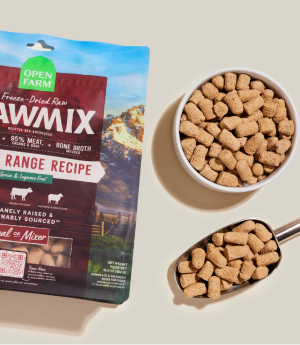
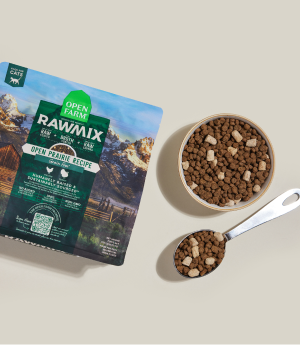
For example, Open Farm’s RawMix recipes combine kibble and freeze-dried pieces, giving pet parents a format that incorporates additional animal protein into the overall diet. The recipe format is one factor to consider alongside protein sources, nutritional adequacy, and your dog’s individual needs. For example, puppies need more protein to build and maintain muscle mass as they grow into young adult dogs.
For dogs with specific health conditions or dietary needs, ask your veterinarian to help determine whether a particular protein source or nutritional profile is appropriate.
5. Support Healthy Digestion and Keep Fresh Water Available
Digestive health can tell you a lot about how your dog is responding to their diet, but one unusual day is just one piece of the puzzle. Monitor for patterns in stool consistency and color, appetite, energy, and comfort, especially after changing food or adding treats.
Digestive health is influenced by the complete diet. Protein sources, fiber, nutrients, and other components of the recipe work together within the overall formulation.
Your dog’s response also provides information about how well a food suits them. Consistent stool, a healthy appetite, steady energy, and comfortable digestion are all signs to watch for when assessing their dietary response.
Frequent food changes, new treats, toppers, supplements, or sudden diet transitions can make it harder to determine what’s affecting your dog’s digestion. When introducing a new food, transition gradually and keep other dietary changes consistent while your dog adjusts.
Lots of fresh water is also essential. Water needs vary based on diet, activity, environment, and health, so be sure to make a habit of providing clean, fresh water several times throughout the day.
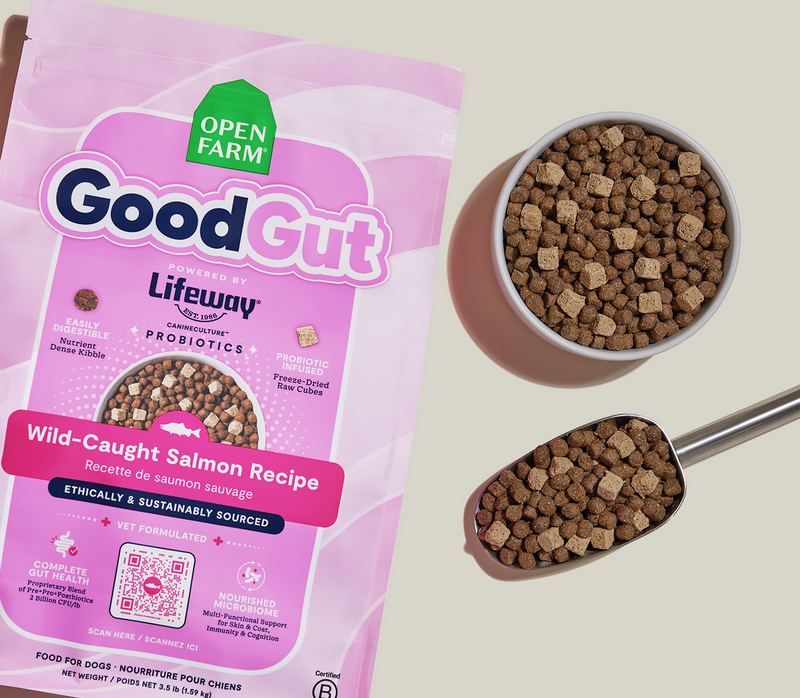
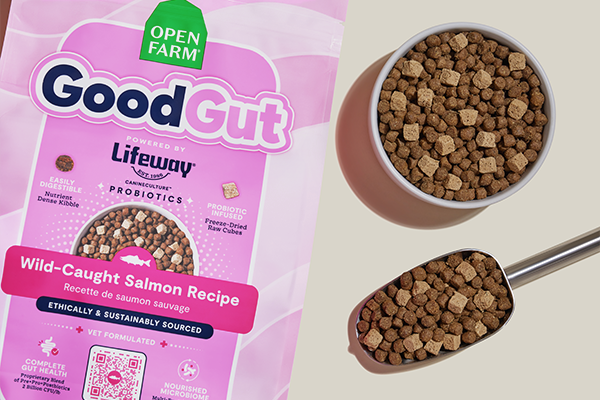
If you’re looking for a recipe with digestive support built into the formulation, Open Farm’s GoodGut recipes incorporate prebiotics, probiotics, and postbiotics into a complete and balanced diet.
6. Give Your Dog Regular Exercise and Mental Enrichment
Similar to humans, exercise for dogs isn’t one-size-fits-all. The goal is to give them regular opportunities to move, think, and engage in ways that match their abilities. Of course, no routine can guarantee a longer lifespan per se, but frequent physical activity and mental enrichment are definitely healthy contributors to better mobility, fitness, and well-being.
The right activity level depends on your dog’s age, physical abilities, health, and normal routine. A young, active dog may need more demanding exercise, while an older dog or one with mobility concerns may benefit from lower-impact activities.
Walks, play, training, sniffing, games, swimming, and other activities all get dogs moving. Mental enrichment also deserves attention. Training, puzzle toys, scent-based activities, and play provide opportunities to learn, explore, make choices, and interact with their environment.
If your dog has gained weight, developed mobility concerns, or has a health condition, ask your veterinarian what type and amount of activity are appropriate.
7. Take Care of Your Dog’s Teeth
Your dog may not make it known that they’re experiencing a dental problem, but changes in eating or behavior can offer clues. A consistent dental routine helps maintain healthy teeth and gums, keeps your dog comfortable, and helps you recognize when something may need veterinary attention. It also supports your dog’s oral health over time. It also helps prevent oral problems in their later years.
Dental care can include brushing your dog’s teeth, using veterinarian-approved dental products, and scheduling professional dental evaluations when recommended.
Monitor signs that could indicate an oral health concern, including:
- Persistent bad breath
- Excessive drooling
- Pawing at the mouth
- Blood in the saliva
- Difficulty chewing
- A sudden preference for softer food
These signs warrant a conversation with your veterinarian, who can recommend a specific dental-care routine based on your dog’s age, dental health, and individual needs.
8. Keep Their Home Safe and Comfortable
Your home is where most of your dog’s daily care happens. A safe, comfortable environment reduces avoidable risks, supports rest and movement, and can be adapted as your dog’s needs change, helping protect their health and quality of life over the years.
Give your dog a comfortable place to rest and a predictable daily routine that balances activity, enrichment, interaction, and downtime. A calm, consistent environment supports overall well-being and can help reduce daily stress.
Keep potentially harmful foods, medications, chemicals, and other household substances out of reach. Your dog’s environment may also need adjustments as they age. Easier access to resting areas, food, water, and outdoor spaces can become useful if mobility becomes more difficult.
Watch for changes in behavior, appetite, energy, sleep, or comfort. A new or persistent change should be taken seriously and assessed, particularly when it occurs alongside another health change.
How Can You Tell if Your Dog’s Food Supports Their Long-Term Health?
You can learn a lot about how a food suits your dog by watching their weight, appetite, digestion, energy, skin and coat, and comfort.
One observation rarely tells you whether a food is right for your dog. Look for recurring patterns in these areas:
|
What You Notice |
What to Look For |
| Body Condition | Weight and body shape remain within the appropriate range for your dog’s breed, age, etc |
| Appetite | Your dog maintains their usual interest in meals |
| Digestion | Stool remains generally consistent, and your dog appears comfortable after eating |
| Energy | Their energy level remains appropriate for their age, health, and normal activity |
| Skin and Coat | Their skin and coat remain in their usual healthy condition |
| Daily Comfort | Your dog appears comfortable eating, moving, resting, and participating in their normal routine |
A single skipped meal, unusual stool, or low-energy day doesn’t necessarily indicate a poor food fit. Changes in routine, activity levels, stress, medications, illness, and other factors can influence how a dog eats and feels, too.
If any of these changes persist, talk with your veterinarian about possible causes and whether their nutritional requirements have changed.
A Simple Routine for Supporting Your Dog’s Long-Term Health
You don’t need to rethink your dog’s care every day. A simple routine gives you regular points to check what’s working, notice patterns, and make adjustments when something changes.
|
Frequency |
What to Focus On |
| Every Day |
|
| Every Week |
|
| Regularly |
|
| When Your Dog’s Health or Routine Changes |
|
| As Your Dog Ages |
|
Common Questions About Helping Your Dog Live Longer
Does dog food affect a dog’s lifespan?
Dog food can influence your dog’s long-term health because it provides many of the nutrients their body needs to function and age well. However, no dog food can guarantee a longer lifespan.
Genetics, health history, body condition, activity, veterinary care, dental health, and the home environment also influence longevity, but feeding a complete and balanced food formulated for your dog’s life stage can help provide the nutrients they need when it is fed as their main food. Discuss your dog’s particular nutritional needs with your veterinarian to determine the food types and portion sizes that are best for your dog.
What role does protein quality play in a dog’s long-term health and longevity?
Protein quality matters because your dog needs the right amino acids in a form they can digest and use. It involves the protein sources, digestibility, and how those proteins fit within the food’s overall nutritional formulation.
Clearly named protein sources provide more information about what your dog is eating, while the overall balance of protein, fat, carbohydrates, vitamins, minerals, fiber, and other nutrients determines the nutritional profile of the recipe.
What role does gut health play in my dog's long-term health?
A healthy gut microbiome helps your dog digest food, absorb nutrients, and support normal immune function. When gut health is disrupted, dogs may experience digestive problems and may not use nutrients as effectively. Supporting healthy digestion is one part of supporting your dog's long-term health, alongside complete nutrition, a healthy body condition, regular activity, dental care, and veterinary visits. However, no specific food or supplement can guarantee a longer lifespan.
To support your dog's gut health, feed a complete and balanced recipe, meaning one that’s formulated to provide all the nutrients your dog needs in the right proportions for their life stage when fed as their main food. Introduce diet changes gradually, keep treats and toppers consistent, and provide clean, fresh water. If your dog has persistent digestive changes, talk with your veterinarian to help identify the cause.
Can feeding a higher-quality dog food reduce long-term vet visits and health costs?
A high-quality, complete and balanced diet provides the nutrients your dog needs and could play a role in longevity, but it doesn’t guarantee fewer veterinary visits or lower healthcare costs.
Good nutrition is one part of overall preventive care, alongside maintaining a healthy body condition, providing appropriate activity, caring for your dog’s teeth, and scheduling regular veterinary visits. When comparing foods, consider nutritional adequacy, formulation, protein sources, ingredient quality, sourcing, safety practices, and your dog’s response to the recipe.
Help Your Dog Achieve Long-Term Health With Open Farm
No food, supplement, exercise routine, or other choice guarantees a longer life for your dog. Supporting longevity comes from the consistency of your dog’s everyday care and adapting that care as their circumstances change.
At Open Farm, our recipes are built around complete and balanced nutrition to contribute to their overall health, with thoughtfully selected ingredients, traceable sourcing, and veterinary nutrition expertise. Explore our dog food collection to compare our recipes, ingredients, formats, and feeding options.
*This article is meant only as an example of what might work well for your pet; please reach out to our Pet Parent Experience Team if you have any questions about your pet’s own unique circumstances. To ensure these products are a good fit for your furry friend, we also recommend consulting your vet about any new diet or environment changes, especially if there is a medical concern. They should be able to help, as you and your vet know your pet’s medical history best.


