















 Dog
Dog
 Cat
Cat
 Sign In
 Create Account


Key Takeaways:
- The best kibble for dogs is a complete and balanced everyday food that suits your dog's life stage, uses quality ingredients they digest well, and comes from a company willing to show you where those ingredients came from.
- Price and unsubstantiated packaging claims are not reliable quality signals. A more useful comparison looks at nutritional adequacy, protein quality, formulation expertise, digestibility, sourcing, and safety standards.
- Kibble is not automatically lower quality than fresh or raw food. Format affects moisture, palatability, cost, and convenience, while quality depends on how a specific recipe is built and made
- Grain-free is not necessarily an indicator of quality. Whether a kibble contains grains or not is an option pet parents choose for their dog, not an indicator of how well a recipe is formulated.
Most dogs eat kibble, and most pet parents have stood in the pet food aisle wondering which food is right for their dog.
That question rarely gets a straight answer. The conversation often centers around comparing kibble to fresh, the validity of vague claims meant to signal "premium," or the pros and cons of grain-inclusive or grain-free diets. However, these questions don't tell pet parents about what's actually in the bag.
A decision about format isn’t the same as a decision about quality tier. Some dog foods are exceptionally well made, and some are not. So the real task is identifying a well-made food from one that’s just well-marketed, and understanding how kibble stacks up to other formats, such as fresh & raw diets.
How to Find the Right Kibble For Your Dog
A strong kibble product is distinct in four ways:
- It's complete and balanced for everyday feeding.
- It's built from ingredients you can trace to a source.
- It was developed using clear, evidence-based nutrition standards
- And your dog does well on it in the long term.
Those four are what separate premium nutrition from marketing jargon.
Notice what's missing from that definition:
- Price
- Unsubstantiated packaging claims
- Whether the recipe includes grains
Those are the three things most of us reach for first, and they're the three weakest predictors of whether a food is right for your dog.
A lower-quality kibble tends to fail quietly. Nothing on the bag looks wrong: the ingredient list reads well, the claims are confident, the price sits about where you'd expect. What you can't see from the aisle is how the recipe was developed, whether the company can trace its own ingredients, and how your dog will actually do on it.
How to Compare One Kibble to Another
1. Make Sure It's Built to Be Your Dog's Main Meal
Complete and balanced is a defined term, not a marketing phrase. It means the food delivers every nutrient your dog needs, from that food alone. Look for the nutritional adequacy statement, usually printed near the ingredient panel.
Confirm one more thing while you're there: that the food is made for everyday feeding, not as a topper or occasional add-on. Plenty of good products are built to sit on top of a meal rather than be one.
Then check the life stage. Puppies need specific nutrition for this important stage of their development, so look for a recipe that is a well-formulated, complete, and balanced diet designed for all life stages, including puppies. A recipe built specifically for growth works too. At the other end, a maintenance formula is made for adult dogs only. What matters is that the food is formulated for where your dog is now.
2. Read Past the First Ingredient
What you should want to know is which animal proteins are in the recipe, whether they're clearly named, and what's carrying the rest of the formula.
Look for:
- Named animal proteins
- Whole fruits, vegetables, and grains
- No artificial flavors, colors, or preservatives
3. Ask Who Formulated It
A recipe can start with excellent ingredients and still be put together badly. Protein, fat, vitamins, and minerals all have to be balanced against each other, in the right amounts for the right kind of dog. Get that wrong, and it won't show on the label, but over time, that imbalance may show up as changes in your dog’s weight, energy, appetite, or digestion.
So ask any brand a direct question: who formulated this, and what are their qualifications? For Open Farm, that person is Dr. Moran Tal-Gavriel, Open Farm's Head of Veterinary Nutrition. She's a Board-Certified Veterinary Nutritionist, DVM, DVSc, Dip. ECVCN, one of roughly 100 in North America. Every new recipe Open Farm creates goes across her desk before it reaches the bag.
4. Watch How Your Dog Responds
This is the part no label can answer for you. Great numbers on a bag’s nutrition panel mean nothing if your dog's stomach disagrees.
Watch for:
- Stool that's consistent and easy to pick up
- Comfort after meals rather than gas or bloating
- Steady appetite and interest in food
- How coat and skin react over time
- Energy that feels normal for your dog
Give it a few weeks, and look for patterns rather than single incidents. Transitioning between foods can be a tricky time for some dogs, so wait to evaluate how well your dog is doing on a new food until after the transition period. Use the feeding guide on the bag to determine how much to feed your dog, and don't throw out what you're feeding now: it's important to transition by gradually adding the new food to the current food over a set period.
5. Trace Where the Ingredients Came From
Plenty of brands call their ingredients high quality. Far fewer will show you where they come from.
When evaluating traceability, consider if the brand shares the location each ingredient was grown, raised or caught. Does it share details about the third-party certification of its ingredients?
Try it right now with whatever bag is in your pantry. If the brand offers real traceability, you'll find out in about a minute.
Every Open Farm package has a QR code. Scan it, and you'll see the geographic origin of each ingredient, along with the third-party certifications. Entering the lot code in this tool will also allow you to see safety test results.
The certifications and partners are worth knowing by name: Ocean Wise, Marine Stewardship Council (MSC), and Aquaculture Stewardship Council (ASC) support Open Farm's commitment to sustainable seafood sourcing; Certified Humane and Global Animal Partnership are Open Farm's animal welfare certifications for meat and poultry. You can browse the full sourcing details on our transparency page.
A brand confident in its supply chain will usually let you look at it. That confidence is the real signal, whatever form it takes.
6. Decide Whether It Fits Your Dog and Your Household
The best kibble on paper is the wrong choice if it doesn't work in your actual life.
Think about:
- Kibble size and texture for your dog's mouth and chewing style
- Any sensitivities you already know about
- Storage space, plus a resealable container that keeps the food fresh once the bag is open
- What you can sustain at your budget
- Whether everyone who feeds your dog will follow the same routine
A consistent routine matters more than optimization. A very good food fed reliably will usually beat a theoretically perfect food you rotate away from in two months.
Grain-Free vs. Grain-Inclusive: Neither Is Automatically Better

Grain-free has become a popular choice for some pet parents, but that doesn’t mean it’s the right choice for every dog. Grain content is a real distinction that matters for some dogs. It just isn’t the one that predicts overall quality.
|
Option |
When It Makes Sense |
| Grain-free | Your dog has a sensitivity to a specific grain, or your vet has recommended it for a particular reason. |
| Grain-inclusive | Your dog tolerates grains well, and you want a recipe that includes whole grains like brown rice, oats, or quinoa for added fiber and nutrients. |
What matters more than whether a recipe includes grains is what replaces the grains, the recipe's nutritional profile and how your dog does on it. A grain-free recipe built on poor ingredients isn’t better than a well-formulated grain-inclusive one.
Kibble vs. Fresh, Raw, and Air-Dried: What Each Format Does Well
These formats differ mainly in moisture, processing, and cost. Any of these can be well formulated and be the right fit, or any can be poor quality or not the right fit.
| Format | What It Does Well | Trade-Offs |
| Kibble |
Shelf-stable, easy to portion, typically the most affordable complete diet. Comes in a variety of price points |
Low in moisture, may not always appeal to picky eaters |
| Fresh and Gently Cooked |
Higher in moisture and often more palatable, which can help picky or older dogs |
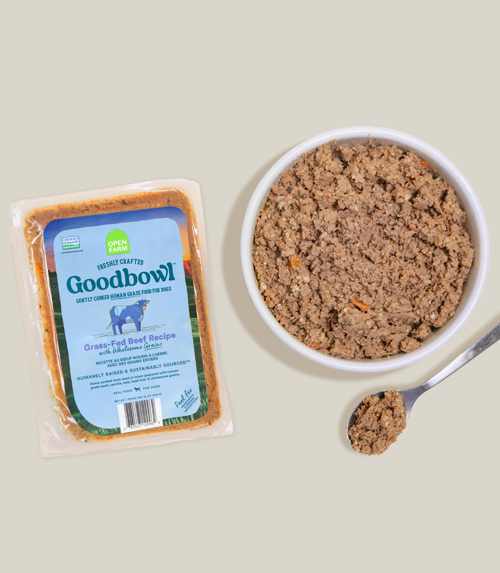
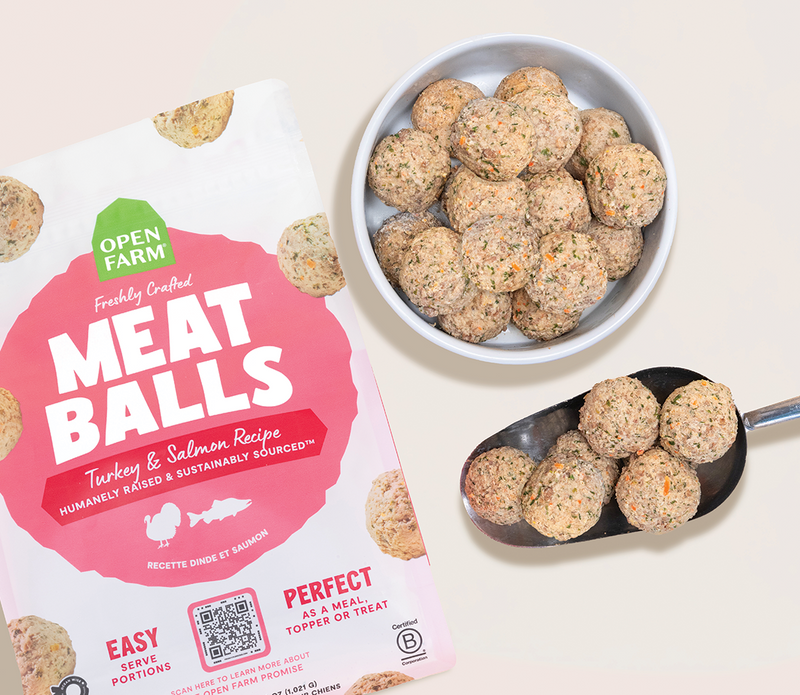
Costs more, needs refrigeration, takes more fridge and freezer planning |
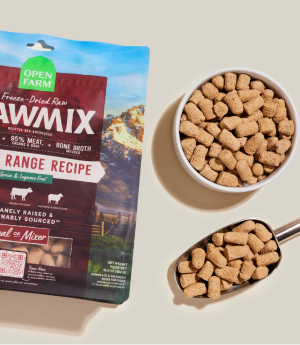
| Freeze-Dried Raw and Air-Dried | Concentrates ingredients without the use of heat and is dense in calories, so it works as a full meal or a topper | Usually the highest price point per calorie |
Format alone doesn't determine outcomes. Well-formulated kibble your dog enjoys and digests well can support your dog beautifully, and premium fresh food your dog reacts poorly to won't. Judge the quality of the recipe and your dog's response instead of just the category.
Should You Add a Topper to Your Dog's Kibble?

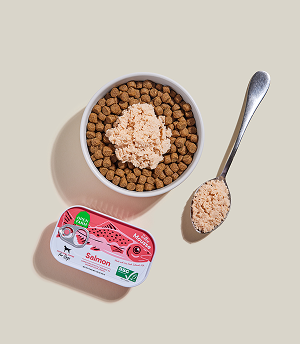
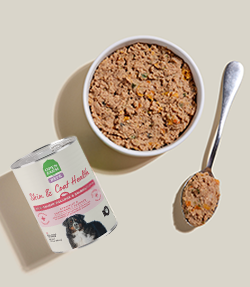
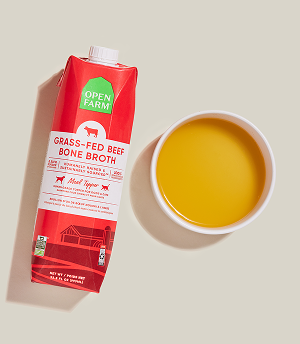
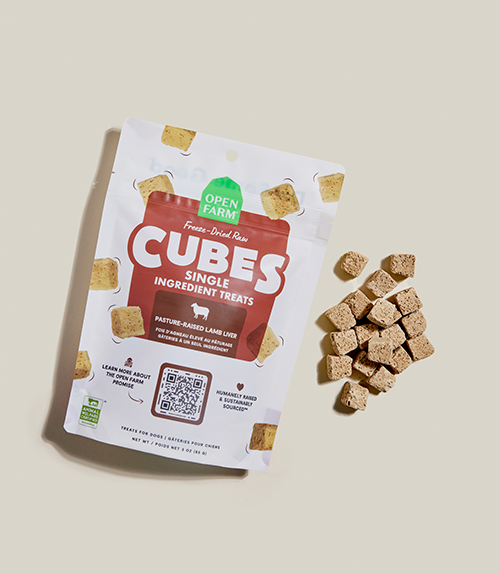
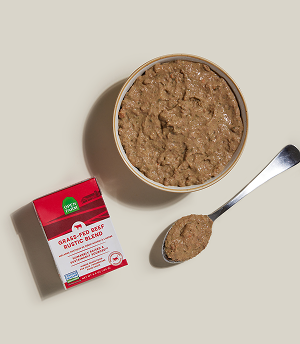
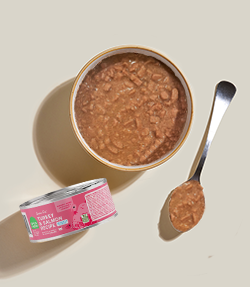
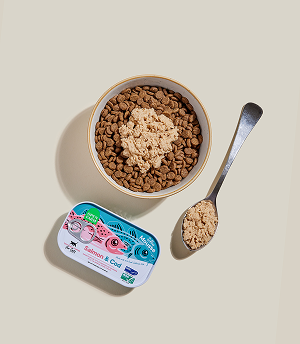
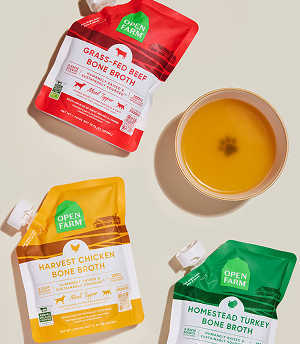
Adding wet food, bone broth, or a freeze-dried topper to kibble can raise moisture and aroma, which is often exactly what gets a picky or hesitant eater to finish a bowl. They aren't interchangeable, though, and which one you reach for depends on what you're trying to fix.
| Topper | What It Actually Fixes | Reach For It When |
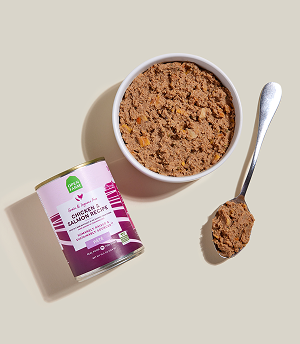
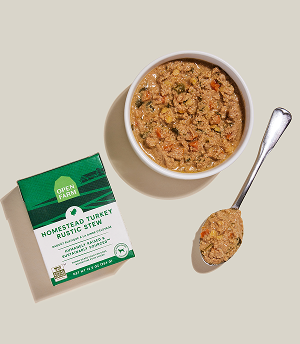
| Wet Food | Adds the most moisture and aroma, the two things that do the most work on outright refusal | Your dog turns away from the bowl |
| Bone Broth | Targets water intake more than appetite | Your dog drinks very little, but still eats |
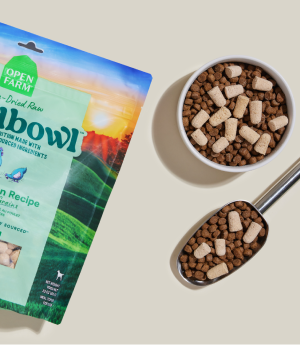
| Freeze-Dried or Air-Dried | Adds concentrated calories and aroma | Your dog needs the calories |
Two rules keep this from backfiring. Let the kibble do the nutritional work, keeping toppers to less than 10% of your pet’s overall diet. And adjust portions down when you add calories on top, or the extras quietly become weight gain. A topper earns its cost when it solves a real problem, like low appetite or low water intake. If your dog already eats well, adding a topper isn't essential but can help keep things interesting.
One exception worth noting: if your dog stops eating altogether or their appetite changes suddenly, that's a sign to call your vet rather than consider adding a topper.
5 Questions to Ask About the Bag in Your Pantry
If you want a quick read on the food you're already feeding, these five questions cover most of what matters:
- Does the bag carry a nutritional adequacy statement saying it's complete and balanced, and is it formulated for your dog's life stage?
- Can you identify the main animal proteins in the ingredient list without guessing?
- Does the brand explain how this recipe was developed and what nutrition standards it follows?
- Can you trace where the ingredients came from and find safety testing information?
- Over the past month, have your dog's stool, appetite, coat, and energy been consistent?
If you answered “yes” to all of these, it means you're feeding a well-made food and can stop second-guessing it. If you answered “no” to question five, that points to fit rather than quality, and a small change, like trying a different protein or recipe from the same brand in a similar format (kibble, wet, or freeze-dried), may be all you need. Two or more “no” answers in the first four warrant a closer look at the label of what you’re feeding.
Common Questions About Choosing Kibble
What is the best kibble for dogs?
The best kibble for dogs is a complete and balanced everyday food that follows clear, evidence-based nutrition standards, is made from ingredients you can trace, and is proven successful by how your dog does on it over months. Price and marketing claims are the weakest predictors.
Is kibble bad for dogs?
No. Format doesn't determine quality; the recipe does, and a complete and balanced kibble with quality ingredients and sound formulation can be an excellent everyday diet.
Is raw or freeze-dried dog food better than kibble?
Neither wins on format alone. Freeze-dried raw is minimally processed and calorie-dense, while a well-formulated kibble meets the same nutritional needs at a lower cost. Ultimately, the best choice depends on the specific recipe and how well your dog does on it.
How does fresh dog food compare to kibble?
Freshly crafted and gently cooked foods retain more moisture and are often more palatable, but they tend to cost more and require refrigeration, whereas kibble is shelf-stable and typically the most affordable way to provide a complete diet. On energy, digestion, and longevity, a well-formulated kibble your dog digests well can do more for them than a premium fresh food they react poorly to.
What does a higher price actually buy when it comes to dog food?
A higher price may reflect more costly ingredients, third-party certifications, specialized formulation, or additional testing and manufacturing standards. But price alone doesn’t prove that a recipe offers better nutrition. Compare the food’s nutritional adequacy statement, ingredient sourcing, formulation process, and safety information to understand what you’re paying for.
What if my dog ignores the bowl completely?
A sudden or complete loss of appetite is a definite reason to call your vet. Once a medical cause is ruled out, wet food usually helps make a bowl more appealing, since moisture and aroma do the most work to overcome outright refusal.
Find a Kibble That Works for Your Dog
If you've been feeding kibble and quietly wondering whether you could do better, you don't need to overhaul how you feed your dog. You may just need a bag that holds up when you look into all the details.
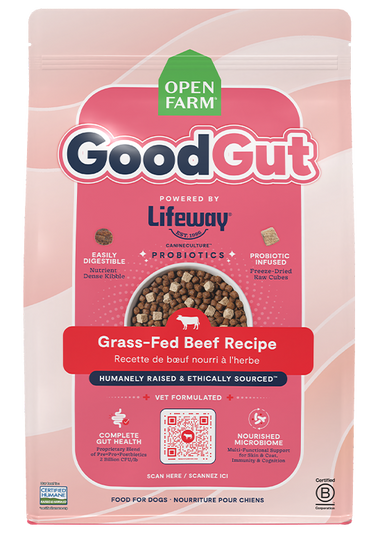
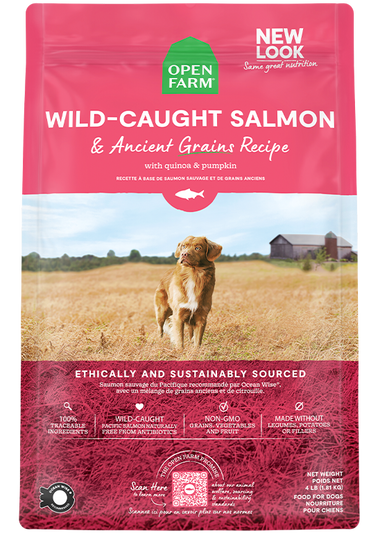
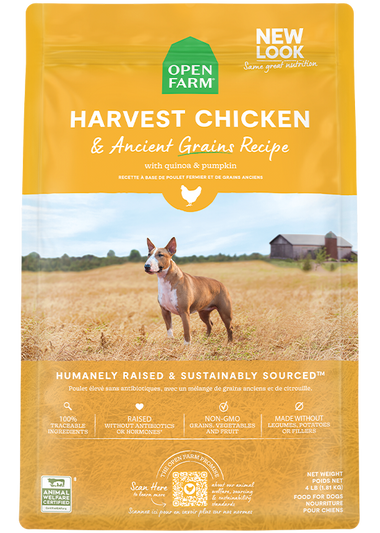
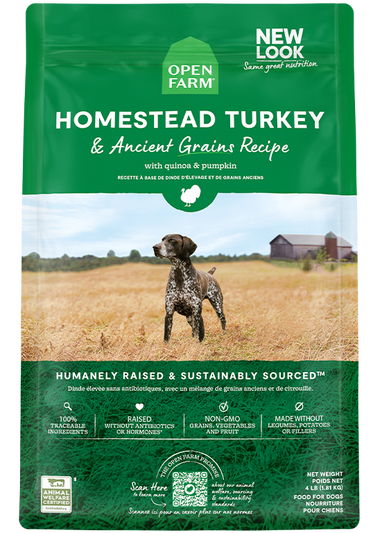
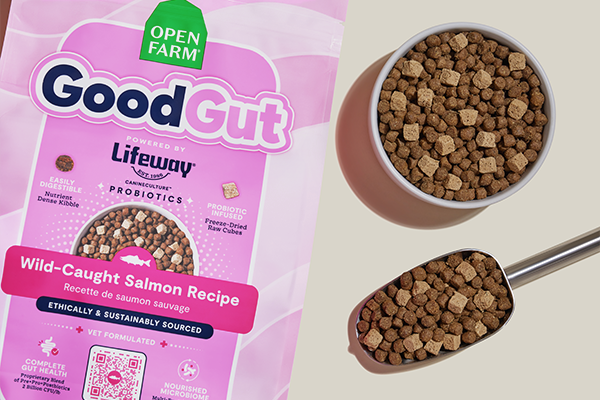
Compare Open Farm's kibble recipes side by side and find the one built for your dog, whether that's grain-free or ancient grains, high protein, digestive support, or a recipe formulated to support your dog’s specific needs. Whichever you land on, you can trace every ingredient back to the farm or fishery it came from and pull the safety test results for the exact batch in your bag.
*This article is meant only as an example of what might work well for your pet; please reach out to our Pet Parent Experience Team if you have any questions about your pet’s own unique circumstances. To ensure these products are a good fit for your furry friend, we also recommend consulting your vet about any new diet or environment changes, especially if there is a medical concern. They should be able to help, as you and your vet know your pet’s medical history best.