













 Dog
Dog
 Cat
Cat
 Sign In
 Create Account


Key Takeaways:
- Your dog's gut microbiome does more than support digestion. It also influences nutrient absorption, immune function, and overall day-to-day comfort.
- The best dog food for gut health is a complete and balanced everyday food that fits your dog's life stage and supports optimal digestion.
- Loose stool, gas after meals, difficulty with food transitions, a reduced appetite, or unusual behavior after eating can all be signs that your dog’s current food may not be the right fit.
- Fiber can help support stool quality, prebiotics help feed beneficial gut bacteria and probiotics add digestive support, but those ingredients matter most when they are part of a complete everyday food your dog tolerates well.
- The right formula depends on your dog’s specific patterns, so pay attention to what keeps happening over time to see if the promises on the bag are actually being delivered.
You know the moment something feels off. Your dog finishes a meal, then the gas starts. Their stool is loose again. A simple food change turns into another rough week of digestive challenges.
When that keeps happening, you’re not looking for trendy claims or flashy ingredients. You’re looking for a food that helps your dog feel better day after day.
If you’re trying to choose the best dog food for gut health, here are some helpful tips on what to look for, which ingredients matter most and how to tell whether a formula is actually working for your faithful friend.
What Gut Health Means for Your Dog
Your dog's gut does more than process food. It also houses a large community of microorganisms called the gut microbiome, which plays an important role in digestion, nutrient absorption, immune function and overall comfort.
For many pet parents, gut health first becomes a priority when stool changes. That makes sense because stool quality is often one of the clearest signs that a food is or isn’t working well. But digestion is only part of the picture. In some dogs, an imbalanced gut can also show up as an inconsistent appetite, digestive discomfort, or skin or coat issues.
You may also hear about the gut-brain connection in dogs. In simple terms, this means that when your dog’s digestion feels off, their general comfort can feel off too.
Signs Your Dog's Current Food May Not Be Working Well
Sometimes the signs are easy to miss at first. Maybe your dog has gas after dinner, struggles with changes in diet, or has loose stool more often than they should. Over time, those patterns can point to a food that isn’t supporting digestion as well as it could.
Common signs to watch for include:
- Frequent loose stool
- Gas or bloating after meals
- Digestive inconsistency from week to week
- Upset stomach
- Stool that stays loose, inconsistent, or hard to pick up
- Low interest in food paired with digestive discomfort
- Skin or coat issues that seem to happen alongside food sensitivities
If these issues keep happening, it's a good idea to talk with your vet. They can also be a sign that it's time to take a closer look at what your dog is eating.
What to Look for if Your Dog Needs Gut Support
When you’re comparing dog foods, it’s easy to feel like every formula promises better digestion. The key is to consider more than the marketing and focus on what actually supports your dog day after day.
1. Start With a Complete and Balanced Formula
A complete and balanced food is designed to be your dog’s main daily diet. It should provide the full mix of nutrients they need consistently, including protein, fat, vitamins, minerals, and other essentials.
Before focusing on buzzwords like probiotics or digestion support, ask a few basic questions:
- Is this food meant for your dog's life stage?
- Is it designed for everyday feeding, or just occasional or supplemental use?
- Does the full formula make sense for your dog's current overall needs?
- Does this food contain ingredients that may pose different health risks to your dog?
A growing puppy, an active adult dog, and an older dog won’t all have the same nutritional profile. So a food can still be considered complete and balanced without being the right fit for your dog specifically.
A simple way to think about it: one food might advertise probiotics, which may be appealing at first glance. But that claim only speaks to one part of the formula. It doesn't tell you how digestible the overall formula is, how the fiber blend works, whether the fat level makes sense for your dog or whether the food is built to nourish them fully at every meal.
Another food may be built as an everyday diet first, with digestion support secondary. What’s important to pay attention to how this product will work for your pet long-term and what other considerations to take into account for their overall health.
2. Look for Ingredients Your Dog Can Digest Well
Once you know a food is complete and balanced, the next question is whether the formula actually agrees with your dog. That usually comes down to a few things working together:
- A protein source your dog tolerates well
- A fat level that isn’t too rich for them
- A fiber blend that helps support regular, easy-to-pick-up stools
- An ingredient list that feels purposeful without excess fillers
- How your dog responds over time, not just in the first day or two
If you’re still figuring out what works, start with what you can observe. Pay attention to how your dog eats, how they seem after meals, and what their stool looks like week to week. You’re not looking for one perfect day; you’re looking for patterns.
Two foods can both sound great on paper, but one may leave your dog gassy or uncomfortable while the other helps them feel more settled and consistent. For dogs with sensitive digestion, a simpler formula can also make it easier to identify what’s working and what isn't. If you’re constantly rotating foods or layering in a lot of extras, it gets much harder to pinpoint what your dog is responding to.
3. Pay Attention to Fiber, Prebiotics and Probiotics
This is usually where gut-health shopping can start to feel confusing, so it helps to break the terms down simply:
- Fiber helps move food through the digestive tract and can play a big role in stool quality.
- Prebiotics help feed beneficial gut bacteria.
- Probiotics are live beneficial bacteria that support digestive health.
- Some formulas may also include postbiotics or fermented ingredients to support digestive balance.
These ingredients can be valuable, but they work best when they’re part of a thoughtfully built everyday diet. A gut-health claim on its own doesn’t tell you whether the full formula is the best fit for your pet.
When you’re evaluating a food, ask:
- Is this food meant for everyday feeding, or is it more of a topper or add-on?
- Does the bag only spotlight one ingredient, or does it explain how the formula supports digestion more broadly?
- Is it easy to tell what the main protein source is and whether it is one your dog usually digests well?
- Does the ingredient list feel focused and intentional, or overloaded with extras that sound good but don’t tell you much?
These questions won’t tell you everything right away, but they can help you distinguish a more thoughtful formula from one that leans too heavily on one or two gut-health buzzwords.
4. Think About Your Dog's Specific Patterns and Preferences
What’s going to work best for your dog depends on their specific needs.
A dog recovering from antibiotics may need a steady, easy-to-tolerate formula and a slow transition. A dog who gets gassy with every change in diet may need more consistency. A dog with loose stool may need more support from digestibility, fiber, and formula balance.
Ask yourself:
- What problem am I actually trying to solve?
- When do issues show up: after meals, during transitions, in high-stress or excitable moments, or all the time?
- Does my dog seem uncomfortable, have a low appetite or just not like themselves after eating?
- Am I choosing this food because it fits my dog's needs, or because the marketing sounds convincing?
The more clearly you understand your dog’s patterns, the easier it becomes to choose a food with a clear purpose.
Common Gut Health Questions Dog Parents Ask
How do I know if my dog may need more gut support?
Look for patterns rather than one-off issues, which might be separate from overarching health concerns. If your dog consistently has loose stool, gas after meals, food-transition issues, low appetite, or lethargy after eating, their food may need a closer look.
What kind of dog food is usually best for gut health?
Usually, the best food is a complete and balanced formula your dog can eat every day and tolerate well over time. That means looking beyond individual gut-health claims and paying attention to whether the formula:
- Fits your dog's life stage
- Uses a protein source they seem to do well on
- Includes digestive-support ingredients with a clear purpose
- Feels steady and workable as an everyday food
Which ingredients matter most for digestion and microbiome support?
A few are worth paying attention to:
- Fiber, which can help support stool quality
- Prebiotics, which help feed beneficial gut bacteria
- Probiotics, which are live beneficial bacteria
- Postbiotics or fermented ingredients, which may support digestive balance
No single ingredient tells the whole story, but these are some of the ones most closely tied to gut support.
How can I tell if a gut-health claim on a dog food product really means anything?
Use the claim as a starting point rather than the final answer. A formula that mentions probiotics or digestion support should still help you understand what the food is actually doing. If the rest of the ingredients feel vague or too jargon-heavy, it might be a good opportunity to explore alternatives.
What if my dog's digestion seems off after antibiotics or alongside skin issues?
If your dog seems different after antibiotics, that may be normal, but it's best to seek veterinary advice to confirm. Generally speaking, a slow transition and a steadier routine can help make it easier to tell what’s helping or hurting.
If digestive issues keep showing up alongside skin or coat flare-ups, it may also be worth looking more closely at how your dog is tolerating their current food and checking in with your vet if the pattern continues.
Find the Right Gut Support for Your Dog
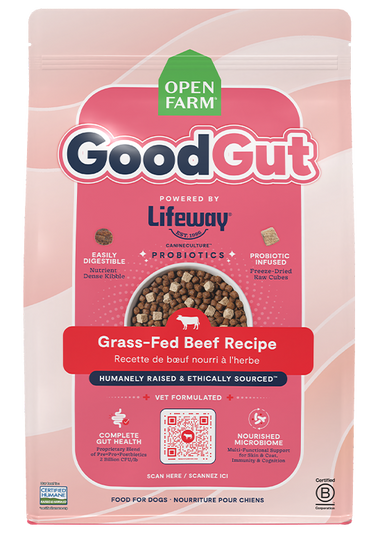
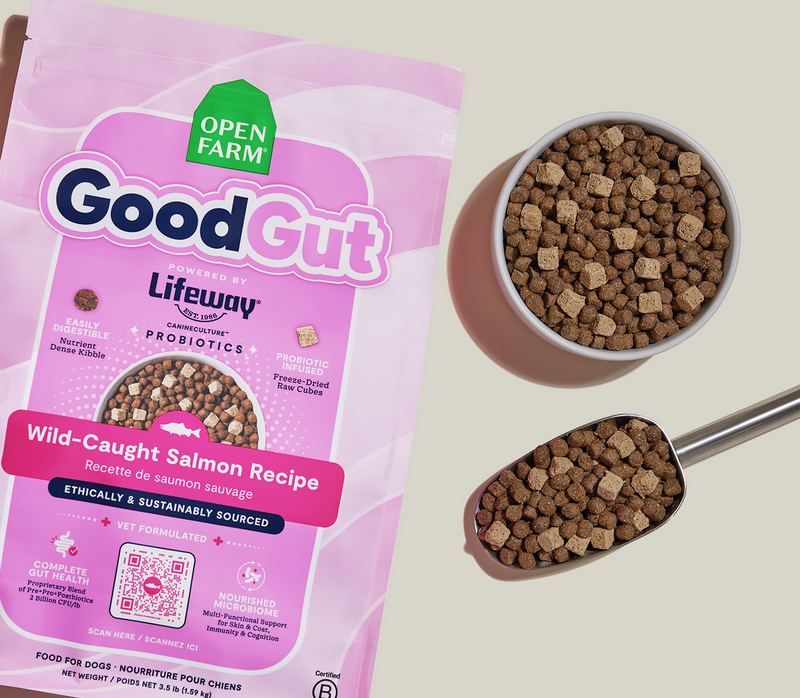
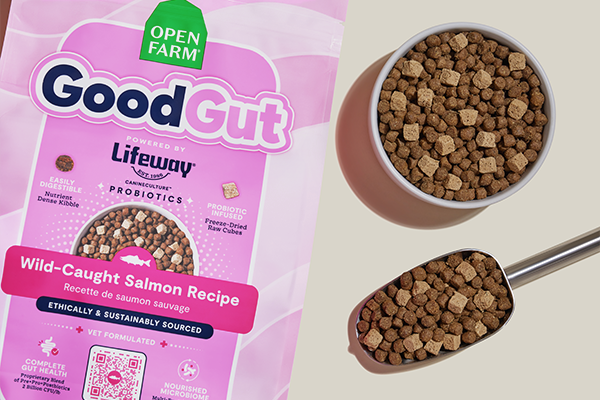
If mealtime has started to feel like guesswork, it may be time to look for a food made with digestive support in mind. At Open Farm, we believe that kind of support shouldn’t be an afterthought, but rather a part of your dog's everyday nutrition. GoodGut Kibble is our nutrient-dense kibble collection, packed with Lifeway™ probiotics that deliver 2 billion CFUs per pound. It’s vet-formulated, complete gut-health food made for everyday feeding, designed to nourish your dog while also supporting more comfortable, consistent digestion day to day. If you still have questions about ingredients, feeding or finding the right fit, explore our FAQs or Digestive Health page today.
*This article is meant only as an example of what might work well for your pet; please reach out to our Pet Parent Experience Team if you have any questions about your pet’s own unique circumstances. To ensure these products are a good fit for your furry friend, we also recommend consulting your vet about any new diet or environment changes, especially if there is a medical concern. They should be able to help, as you and your vet know your pet’s medical history best.