













 Dog
Dog
 Cat
Cat
 Sign In
 Create Account


If your dog suffers from allergies, there are a few different ways you can help them feel better. While the specific treatment depends on your dog’s allergies, there are a few general ways to ease your dog’s discomfort and steps you can take this allergy season to help reduce symptoms.
Remember, you should always speak with your dog’s veterinarian to ensure your approach to managing their allergies suits their specific needs.
Medication
While some pet parents might be tempted to give their dogs human medication, you should always exercise caution and consult a vet before giving your dog any medication.
Food as Medicine
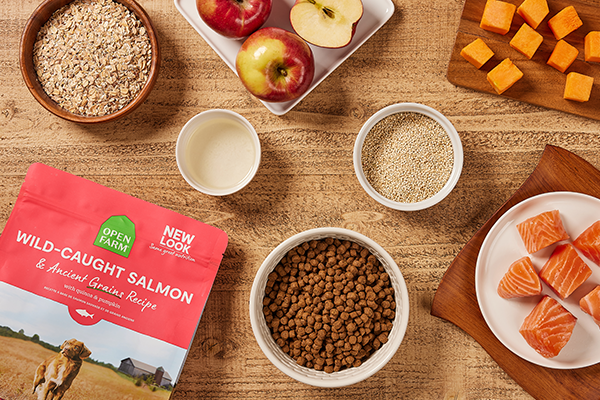
One way to manage your dog’s allergies is to take steps to prevent any flare-ups in the first place. Feeding your dog high-quality dog food full of essential vitamins and minerals like iron, vitamin A, zinc, vitamin B12, and manganese can help build their immune system.
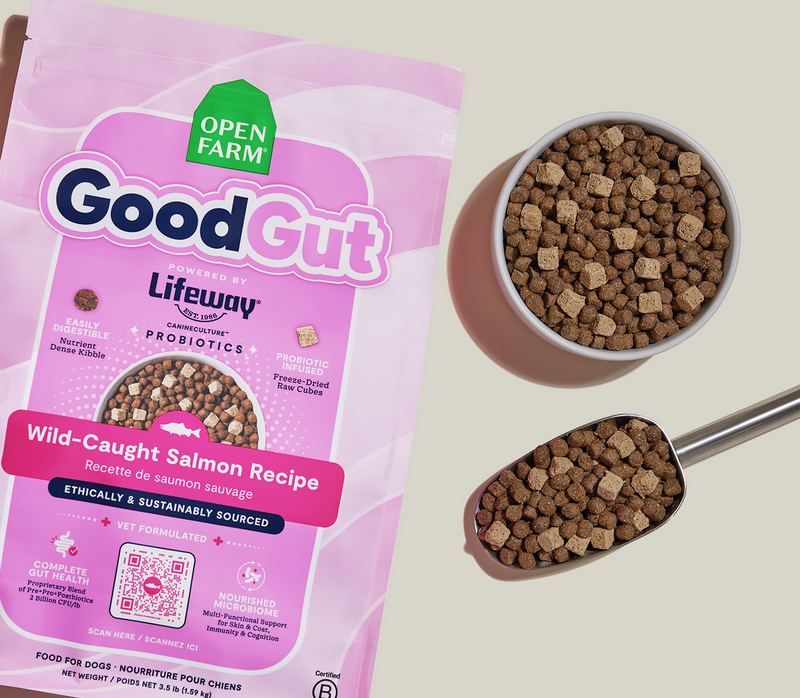
Your dog might also have issues with particular ingredients in foods that could lead to allergic reactions. This is one reason why ingredient transparency is so important. Being able to clearly see what ingredients are used, where they come from, and how they’re sourced helps pet parents make more informed decisions, especially when managing allergies. At Open Farm, every recipe includes a QR code on pack that links to our transparency tool, allowing pet parents to view detailed ingredient information and geographic sourcing.
Dietary Supplements
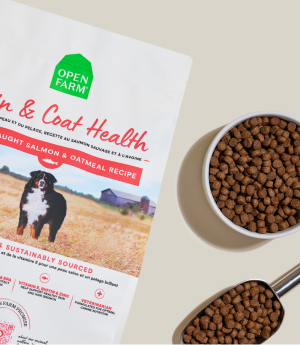
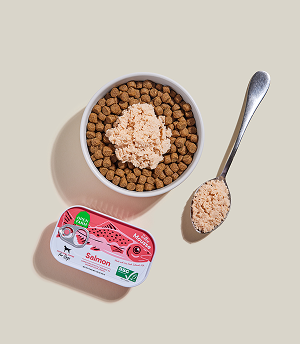
Some research shows that dog foods rich in omega-3 fatty acids can help to manage seasonal allergy symptoms. Adding a topper, like Open Farm’s Icelandic Herring & Salmon Oil, that is rich in omega-3 fatty acids to a bowl of dry or wet food for dogs can support a healthy skin and coat. You can also consider supplements that may help to relieve allergy symptoms such as Skin & Coat Chews or Immune Chews.
Open Farm Dog Food for Allergies
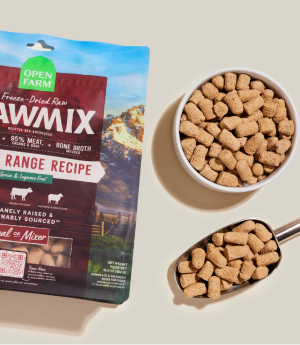
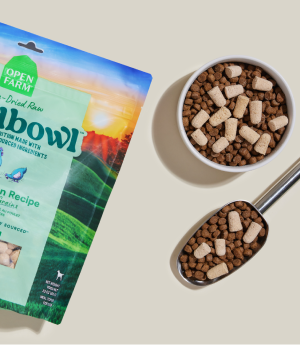
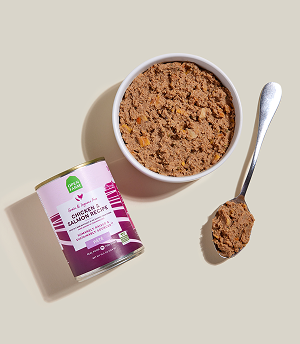
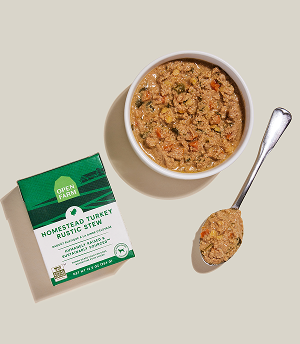
Open Farm offers a variety of food for dogs with sensitivities and allergies. Try single-protein options such as our Catch-of-the-Season Whitefish Dry Recipe. Our sustainably sourced fish, in combination with coconut oil, acts as a great source of omega fatty acids that can help with your pet’s skin health.
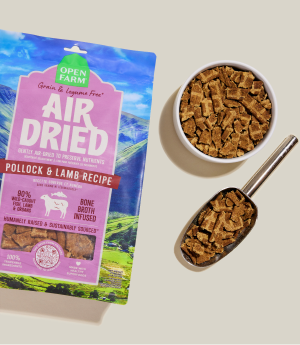
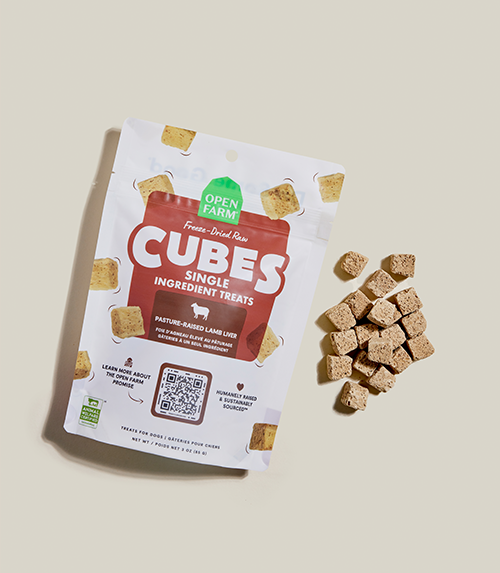
Another option is to look for alternative protein sources such as venison or lamb, which are proteins your dog has not been previously exposed to, or has been exposed to only in very minimal amounts. Venison or lamb are often novel alternative protein sources for many dogs and may help reduce immune-system reactions.
Ultimately, managing your dog's allergies takes patience and a bit of trial and error, but the payoff is watching your pup feel comfortable and happy. Whether you're adjusting their diet, adding supplements, or working with your vet on a treatment plan, remember that consistency matters. At Open Farm, we believe that quality nutrition leads to healthier and happier pets, so start this allergy season by reviewing what your dog is eating, chatting with your vet about what might help, and giving your dog the nourishment they deserve.
This article is meant only as an example of what might work well for your pet, please reach out to our Pet Parent Experience Team if you have any questions about your pet’s own unique circumstances! To ensure these products are a good fit for your furry friend, we also recommend consulting your vet about any new diet or environment changes, especially if there is a medical concern. They should be able to help, as you and your vet know your pet’s medical history best!


