













 Dog
Dog
 Cat
Cat
 Sign In
 Create Account


Key Takeaways
Puppies need food made to support their growth and development, with the calories and nutrients to support rapid development, including brain, eye, bone, and muscle development.
- Dry, wet, and freshly crafted/gently cooked puppy foods can all work, but each offers something different: Dry food is easiest to measure and track, wet food can be softer and more appealing at mealtime, and gently cooked food may be best for pet parents who want a more whole-food-feeling format.
- When comparing foods, start by checking whether the food is formulated for growth, meant for everyday feeding, and a fit for your puppy’s size.
- Large- and small-breed puppies may need different things during the first year. Larger puppies may benefit from food formulated for large-breed growth, while smaller puppies may need food that is easy to chew and provides adequate nutrition in smaller daily portions.
- The best puppy food is one you can portion, store, and feed consistently enough to see how your puppy is eating, digesting, and growing over time.
Bringing home a puppy comes with a lot of firsts, and deciding on their food type is usually one of the biggest, sometimes most stressful decisions to make right away. Dry food, wet food, gently cooked recipes, large-breed formulas, small-breed formulas, grain-free, grain-inclusive—the variety of options can make it hard to know where to even start. Every option seems to come with a reason it may or may not be the right choice for your dog.
If this is your first puppy, that can feel like a lot all at once. The good news is you don’t need to figure everything out on your own. If you understand what puppies need from food during this stage of growth, it becomes much easier to narrow down the best fit for your dog and your routine.
Here, we’ll highlight puppy nutrition basics, what to consider when weighing options, common questions and answers about puppy food, and where to go from there.
First: What Do Puppies Need From Food in the First Place?
Puppies grow fast, which means their nutritional needs differ from those of adult dogs. They’re building muscle, bone, and body systems all at once, so their food needs the right calories and nutrients to support that growth.
That’s why the food you choose needs to be made specifically for growth. In simple terms, a complete and balanced food made for everyday feeding is meant to be your puppy’s main daily diet. It should provide the mix of nutrients they need day after day to support their healthy growth and development.
That includes nutrients that support early development, like DHA (docosahexaenoic acid), an omega-3 fatty acid that supports brain and eye development, along with balanced levels of calcium and phosphorus for growing bones and teeth. You don’t need to memorize every nutrient on day one, but it does help to know what your puppy’s food is supposed to do: support their growth from the start.
How to Choose the Right Type of Puppy Food for Your Puppy
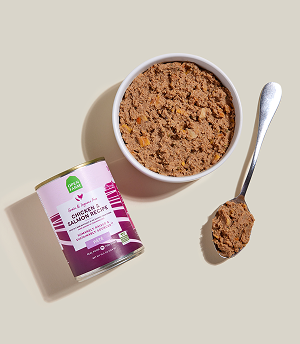
You just brought your new puppy home, and now you are trying to figure out what food format makes the most sense to start with. Dry, wet, and freshly crafted/gently cooked are three of the most common options, and each one can make sense depending on your puppy and your routine. To make that choice easier, here’s what each one can offer and when it may be the best fit for you and your puppy.
Dry Puppy Food
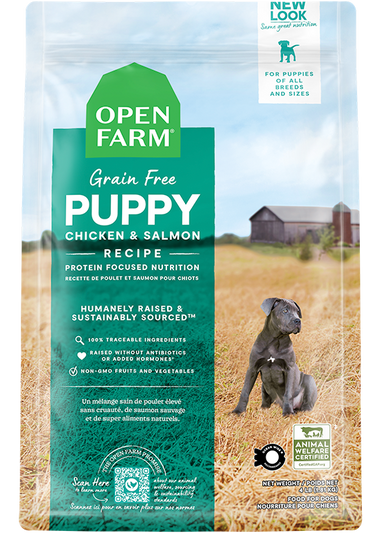
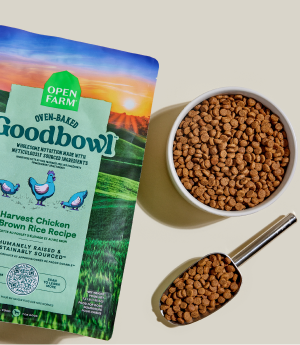
Dry puppy food often stands out for convenience. It’s usually the easiest format to measure accurately, feed on a schedule, and keep consistent from meal to meal. That can be especially helpful when you are following a feeding guide, watching portions closely, and trying to get a clear read on how your puppy is eating, growing, and digesting their food.
Dry food may make the most sense if:
- You want a format that is easy to measure and portion correctly
- You want a clear baseline for tracking appetite, stool, and growth over time
- You want a food that is simple to store, serve, and use every day
- You have young kids at home and want a tidier format that’s easy to clean up
- Your puppy can comfortably pick up and chew the kibble
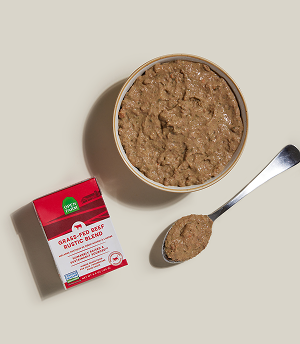
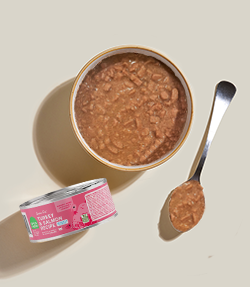
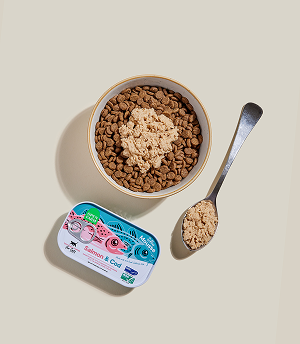
Wet Puppy Food
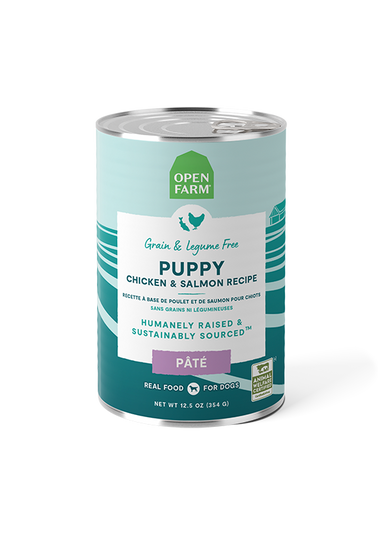
Wet puppy food has a softer texture and can be a better fit for puppies who seem more comfortable with less crunchy bites. Plus, the stronger aroma can make it especially appealing for puppies who need a little more interest at mealtime. It can also be easier to serve in small portions if that feels more manageable for you as a pet parent.
Wet food may make the most sense if:
- Your puppy seems to do better with a softer texture
- You want a format that makes mealtime more appealing
- You prefer scooping and serving smaller portions
Gently Cooked Puppy Food
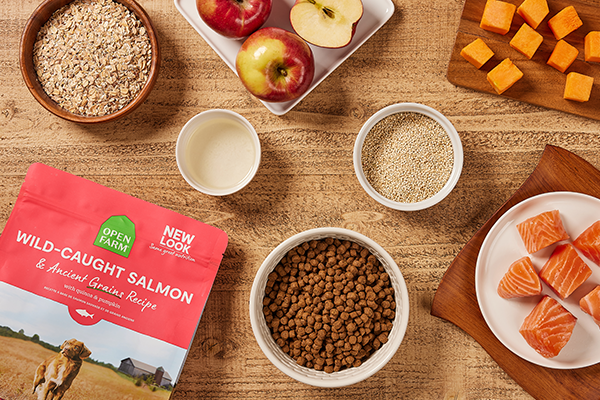
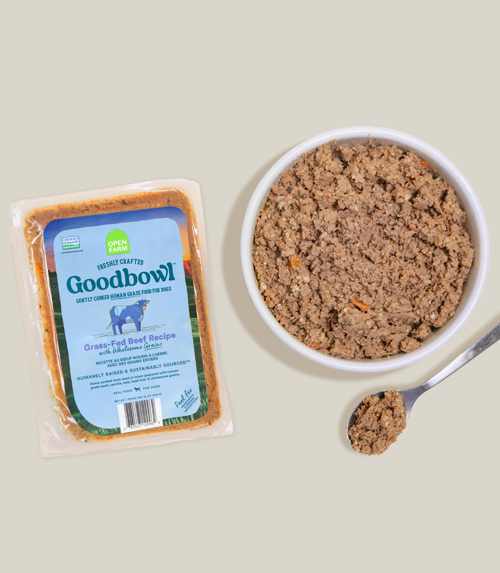
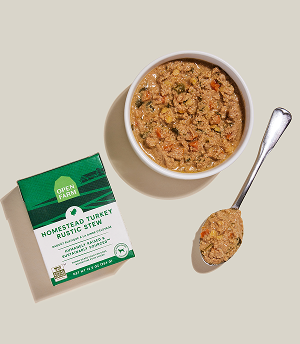
Gently cooked puppy food often stands out for pet parents who want a more whole-food-feeling option. It can feel more like serving a prepared meal, with ingredients that are easier to see and a format that feels a little closer to what some people picture when they think of fresh feeding. For some pet parents, that visibility and feeding experience is the main draw.
Gently cooked food may make the most sense if:
- You want a fresher-feeling, less traditional feeding format
- You like being able to see the ingredients clearly in the bowl
- You’re comfortable with the refrigeration, storage, and portioning needs
- You’re okay planning ahead for refrigeration and storage when you travel
- You’re looking for an alternative to a raw diet
What to Look For When Comparing Puppy Foods
Once you know which food types you’re open to, the next step is to check whether a food is made for puppies, is meant for everyday feeding, and is a realistic fit for your puppy’s size and stage.
1. Start With Food Made for Growth
This is your first filter. Your puppy’s food should clearly be meant to support growth and everyday feeding. For a first-time pet parent, that usually means checking a few simple but important things:
- Is it clearly labeled for puppies or growth?
- Is it meant to be your puppy’s main daily food, not just a topper, mixer, or occasional add-on?
- Does it make sense for your puppy’s size and stage, especially if you have a large-breed puppy?
If those basics are hard to confirm from the bag or product page, that is usually a sign to keep looking. You should not have to guess whether a food is built to do the full job of feeding a growing puppy.
2. Look Beyond the Format
Dry, wet, and gently cooked can all be strong options. What matters more is how the food is actually put together.
That means looking for signs the formula was built with a clear purpose, such as:
- A clearly identified main protein source
- Nutrients that support growth, such as DHA, balanced calcium, and phosphorus
- Clear guidance that the food is meant for puppies and everyday feeding and is inclusive of the size of puppy
- Ingredient and sourcing information you can easily understand
- A recipe you can realistically picture feeding consistently every day
If you want a more detailed framework for evaluating pet food labels, the WSAVA Guidelines on Selecting Pet Foods are a helpful resource for understanding what to look for beyond marketing claims.
3. Think About Real-Life Feeding Fit
Puppy feeding happens in the middle of real life while you’re learning your puppy’s schedule, figuring out meal timing, managing transitions, and paying attention to how they’re doing from week to week.
If a food is hard to portion, complicated to store, too expensive to keep up with, or unrealistic for the way you actually want to feed your puppy every day (including when you travel or are away from home), it gets harder to stay consistent long enough to learn whether it’s working for both you and your puppy.
A format that fits into your real life makes it easier to:
- Feed roughly the same amount at each meal
- Notice whether your puppy finishes meals, seems satisfied, or starts losing interest
- Spot changes in stool, energy, and overall comfort over time
The best puppy food for you will be the one that not only meets your puppy's nutritional needs, but is also one that you can manage and feed consistently.
Large-Breed Vs. Small-Breed Puppies: What Changes?
Not every puppy needs the same support during the first year. A large-breed puppy and a small-breed puppy may both be growing fast, but size can change what matters most when choosing a food.
For Large-Breed Puppies
If your puppy is expected to weigh around 70 pounds or more as an adult, they are considered a large-breed puppy. Large-breed puppies usually take longer to reach their full size, so it’s worth looking more closely at foods made with large-breed growth in mind. In addition to checking that the food is made for puppies, pay attention to how it supports steady growth and bone development. Balanced minerals, including calcium and phosphorus, can be especially important during this stage.
When comparing options, look for a food that:
- Has been formulated in a way that’s inclusive of the needs of large-breed puppies
- Is designed to support steady growth and body condition over time
- Includes clear nutritional guidance for a longer growth period
- Gives you feeding and portion guidance you can use as your puppy grows
For Small-Breed Puppies
If your puppy is expected to weigh around 25 pounds or less as an adult, they’re generally considered a small-breed puppy. Small-breed puppies may eat much smaller meals, but they still need enough nutrition in those portions to support healthy growth through the first year. When comparing options, it helps to consider:
- Whether the pieces are easy for your puppy to pick up and chew
- Whether the food is designed to support healthy growth, even in the smaller amounts your puppy eats each day
- Whether the food works well as their full everyday diet, not just an occasional add-on or treat
How Nutrition Needs Change Beyond Puppyhood
Puppyhood is only one life stage, and your dog’s nutrition needs won’t stay exactly the same forever. During puppyhood, the focus is growth. In adulthood, the focus shifts to maintenance and everyday health. In the senior years, the right nutritional fit may shift again based on age, activity level, and overall health.
As your dog grows, it’s worth checking whether their food still matches their current life stage.
Common Puppy Food Questions Pet Parents Ask
What’s the best dog food for my new puppy?
The best place to start is a puppy food clearly made for growth and everyday feeding. If you are choosing between a few options, focus on whether the food:
- Fits your puppy’s size and lifestage
- Feels easy for them to eat comfortably
- Gives them full daily nutrition you can realistically feed them daily
- Makes it easier to track how they are eating, digesting, and growing over time
I’m a first-time pet parent. What should I know before choosing my puppy’s first food?
Before you buy, confirm a few basics first:
- Is the food clearly meant for puppies?
- Is it designed to be your puppy’s main daily food?
- Does it fit your puppy’s size?
- Does it realistically fit your household’s lifestyle (for example, young kids at home, how often you travel, how much storage or prep you can manage, etc.)?
- Is it a format you can consistently portion and serve easily enough to notice changes in appetite, stool, and growth?
What’s the best puppy food for large-breed puppies?
If you have a large-breed puppy, it’s worth looking more closely at foods made with large-breed growth in mind when available. Bigger dogs usually take longer to reach full size, so it helps to choose a food that’s built for growth and gives you more confidence it fits that longer development period.
When comparing options, look for a food that:
- Is clearly made for puppies and everyday feeding
- Is specifically made for large-breed puppies, if that option is available
- Explains how it supports steady growth and development over time
- Gives you feeding and portion guidance you can refer to as your puppy grows
What should I feed a small-breed puppy during their first year?
If you have a small-breed puppy, it’s worth looking more closely at foods made specifically for small-breed puppies when available. Smaller puppies still need full-growth nutrition, but they eat much smaller portions and may do better with a food that’s easier to pick up, chew, and portion accurately. It helps to look for a food that:
- Is clearly made for puppies and everyday feeding
- Is specifically made for small-breed puppies, if that option is available
- Has appropriately sized pieces your puppy can pick up and chew comfortably
- Supports healthy growth in the smaller amounts your puppy eats each day
How does a dog’s nutritional needs change from puppyhood through their senior years?
What your dog needs from food changes as they move from puppyhood into adulthood and eventually the senior years:
- During puppyhood, the focus is growth, which means food should support rapid development and be made for puppies
- During adulthood, the focus shifts to everyday maintenance, when the goal is supporting steady energy, body condition and day-to-day health
- In the senior years, the right nutritional fit may shift again depending on age, activity level and how your dog is doing overall
As your dog grows, it’s worth checking whether their food still meets their needs at that life stage.
Find the Right Puppy Food for Your Dog
If food shopping suddenly feels more complicated now that you have a puppy, you aren’t alone. A good place to start is with food that’s clearly made for growth, fits your puppy’s size, and gives you clear ingredient, sourcing, and nutrition information.
At Open Farm, we make puppy recipes with traceable ingredients and formulations designed to support growing dogs. Explore our puppy food options to compare formats, ingredients, and feeding fit for your puppy today.
*This article is meant only as an example of what might work well for your pet; please reach out to our Pet Parent Experience Team if you have any questions about your pet’s own unique circumstances. To ensure these products are a good fit for your furry friend, we also recommend consulting your vet about any new diet or environment changes, especially if there is a medical concern. They should be able to help, as you and your vet know your pet’s medical history best.