















 Dog
Dog
 Cat
Cat
 Sign In
 Create Account


Key Takeaways
- Picky eating isn’t always about taste. Texture, aroma, digestibility, feeding routine, stress, learned behaviors, and underlying health concerns can all affect appetite.
- There isn’t one protein or food format that works best for every picky dog.
- Choose a complete and balanced main food that fits your dog’s life stage and individual needs.
- Adding moisture, changing texture, or refining the feeding routine may improve mealtime success.
- Make one change at a time and contact your veterinarian if appetite loss is sudden, persistent, or accompanied by other symptoms.
As a board-certified veterinary nutritionist, one of the questions I'm asked most often is what the best dog food is for picky eaters.
When a dog starts turning away from their food, it's easy to assume they've simply become picky or no longer like the taste. However, appetite is influenced by much more than that. Aroma, texture, digestibility, feeding routine, stress, previous feeding experiences, and even underlying health concerns can all affect how interested a dog is in eating.
Understanding those factors can make it much easier to decide what to change, and just as importantly, what not to change. In many cases, the answer isn't simply trying another food but understanding why your dog has become reluctant to eat in the first place. That understanding can help you make more informed nutritional decisions and find an approach that works best for your individual dog.
What Is the Best Dog Food for Picky Eaters?
Unfortunately, there isn’t one food that’s universally considered a vet-approved dog food for picky eaters. The right choice depends on your dog’s individual needs and preferences.
A practical way to evaluate a food is to ask whether:
- It is complete and balanced, meaning it provides the essential nutrients your dog needs for their life stage and health needs.
- Your dog eats it consistently and digests it comfortably, without signs of digestive upset.
- Its format, texture, and aroma suit your dog’s preferences, and the way you serve it supports a consistent feeding routine.
Beyond the food itself, small changes to your dog’s feeding routine can also make a difference. Offering meals at similar times each day, limiting treats between meals, feeding in a quiet environment, or offering several smaller meals throughout the day (particularly for smaller dogs) may be enough to encourage more consistent eating.
If your dog suddenly refuses food, seems to be in pain when chewing, loses weight, or has other symptoms, don’t assume the issue is simply pickiness. A sudden change in appetite can be a sign that you should speak with your veterinarian before you make any diet changes.
Why Does My Dog Refuse Their Food?
One thing I encourage pet parents to consider is whether their dog is truly being picky, or whether something else might be affecting their appetite. Sometimes the food itself plays a role, but often it's the overall feeding experience. A dog's interest in food can be influenced by:
- Texture or moisture level
- Aroma
- Digestibility
- Feeding routine
- Stress or changes in the environment
- Learned behaviors and previous feeding experiences
- Too many treats between meals
- Underlying health concerns
For example, some dogs naturally prefer softer textures or foods with a stronger aroma, while others may lose interest in meals if they've learned to expect treats or table scraps instead. Dogs with digestive upset may also seem reluctant to eat, even when you offer food they would normally enjoy.
If your dog has become a chronic picky eater, repeatedly changing foods isn't always the answer. In fact, frequent changes can make it more difficult to understand what your dog truly enjoys and tolerates well. Instead, consider whether small changes to texture, feeding routine, or the overall mealtime experience might make a difference.
If your dog’s change in appetite is sudden, persistent, or accompanied by vomiting, diarrhea, weight loss, or other changes in behavior, it's important to speak with your veterinarian to rule out an underlying medical concern.
What Do Vets Recommend for Dog Food?
Pet parents often ask me what veterinarians recommend when choosing dog food for picky eaters.
While every dog has individual nutritional needs, as a veterinary nutritionist, I generally recommend choosing a food that's complete and balanced, meaning it provides the essential nutrients your dog needs in the right amounts for their life stage, and that your dog enjoys eating consistently and tolerates well.
Rather than focusing on a single ingredient, I encourage pet parents to look at their dog’s diet as a whole. Protein quality, digestibility, nutrient balance, and consistency all contribute to whether a food is likely to support your dog's long-term health.
It’s also important to consider whether the food fits your dog’s size, activity level, body condition, and any health concerns your veterinarian has identified. A food that looks appealing may still not be the right fit if your dog doesn’t tolerate it well or if it doesn’t meet their specific nutritional needs.
Does Protein Type Matter for Picky Eaters?
Another question I often hear is whether picky dogs naturally prefer chicken, beef, salmon, or lamb. The short answer is there isn't one protein type that's right for every dog.
Individual preferences vary, and your dog's interest in food is influenced by much more than protein type alone. Some dogs respond more to aroma, others to texture, while some simply enjoy the familiarity of foods they've eaten before. Digestibility, previous feeding experiences, and the overall formulation of the food also all contribute to how appealing it is.
Rather than searching for a universally preferred protein, I recommend finding a high-quality protein that your dog consistently enjoys and tolerates well. If your dog is doing well on a particular protein, keeping that protein consistent can reduce the number of variables you’re introducing. Some dogs may also benefit from rotating between two or three familiar protein sources, as long as they tolerate each recipe well. If your dog has a suspected food sensitivity, chronic digestive symptoms, or a history of reacting to ingredients, work with your veterinarian rather than choosing proteins through trial and error.
Simple Ways to Encourage Mealtime Success
If your dog regularly ignores their bowl but is otherwise healthy, sometimes small changes to how you serve their food can make a meaningful difference.
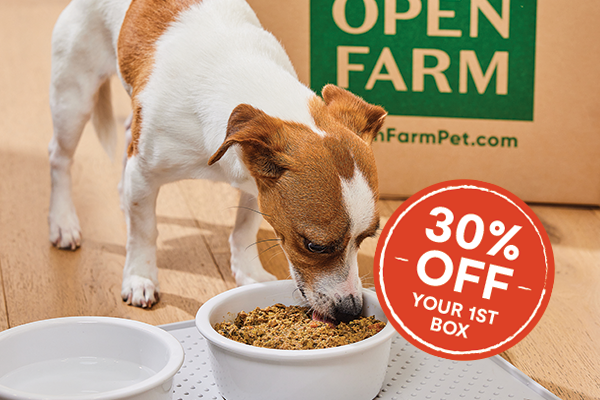
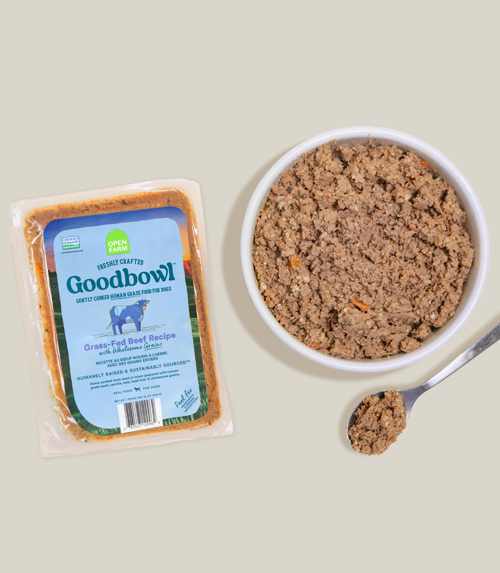
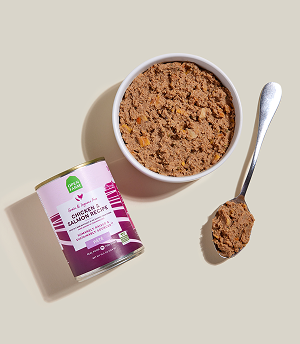
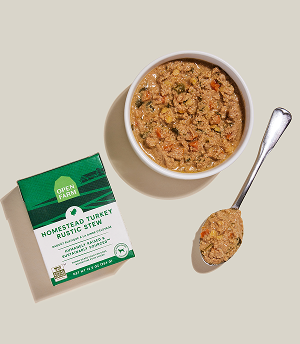
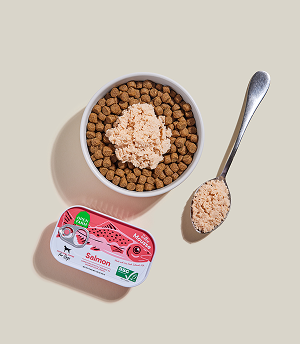
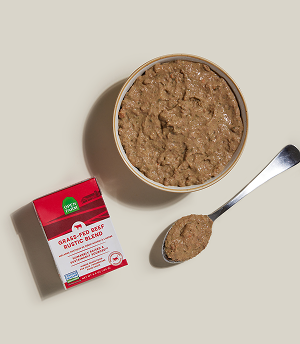
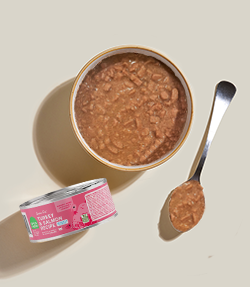
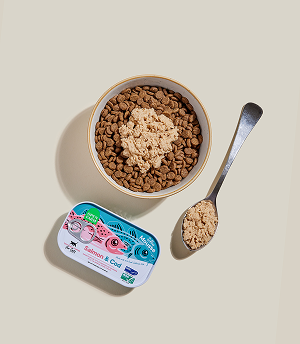
One way to make meals more appealing is by adding moisture. A complete and balanced wet food mixed with kibble can enhance aroma, create a softer texture, and add variety without compromising the nutritional value of the meal. Whenever possible, I recommend choosing a protein type that complements your dog's primary food, as it helps to maintain dietary consistency, particularly for dogs with sensitive stomachs. To ensure you are accounting for additional calories, it’s important to reduce the amount of kibble when you mix in the wet food.
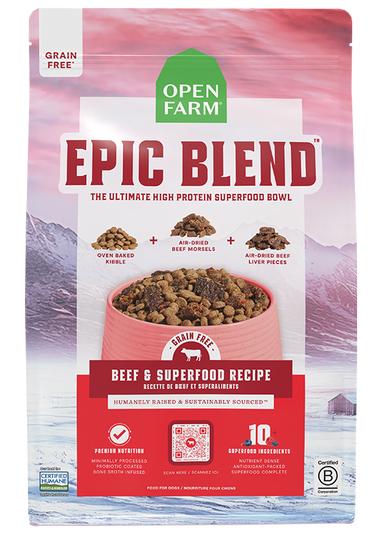
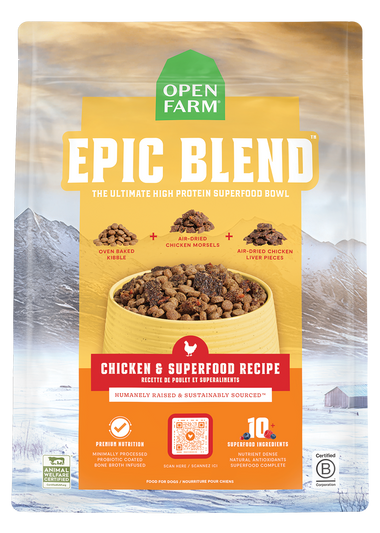
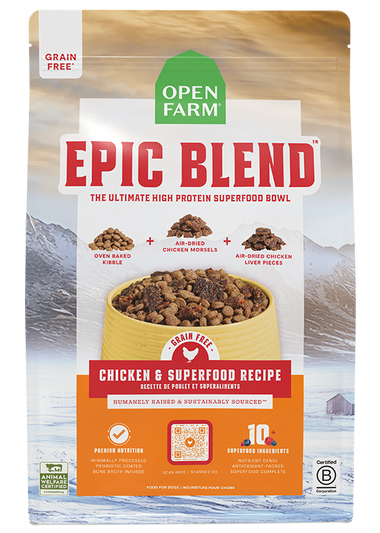
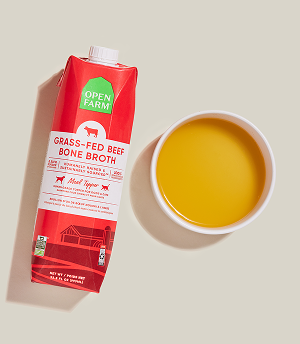
For dogs who prefer variety within the same meal, Open Farm’s Epic Blend combines kibble with nutrient-dense inclusions to create more texture and interest in the bowl. Sometimes adding a variety of textures is a simple way to make mealtime more appealing. If your dog generally tolerates their food well, other ways to encourage mealtime success can simply be adding warm water, serving smaller portions, or offering meals in a quiet location.
Ultimately, it’s important to make one change at a time. That way, you can better understand what helps, avoid adding unnecessary calories, and reduce the need for repeated food changes.
Do Low Appetite and Digestive Health Go Hand in Hand?
If your dog has both a sensitive stomach and a low appetite, it can be difficult to know which concern to address first. In many cases, the two are connected. A dog experiencing digestive upset may naturally be less interested in eating, just as a dog that isn't eating consistently may experience changes in digestive health over time.
However, low appetite can also have causes unrelated to food, such as allergies or a gastrointestinal issue, so a new or persistent change shouldn’t automatically be treated as a simple diet preference. In these instances, it’s important to speak with your veterinarian to assess the underlying reason and rule out any health concerns.
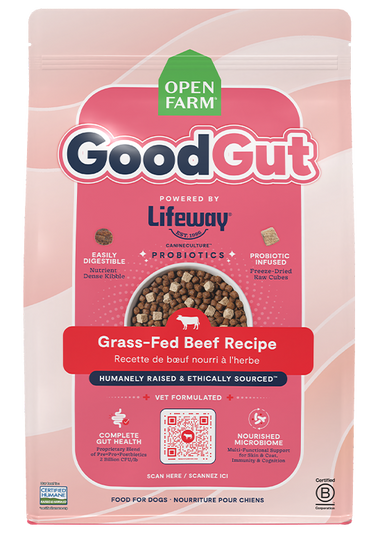
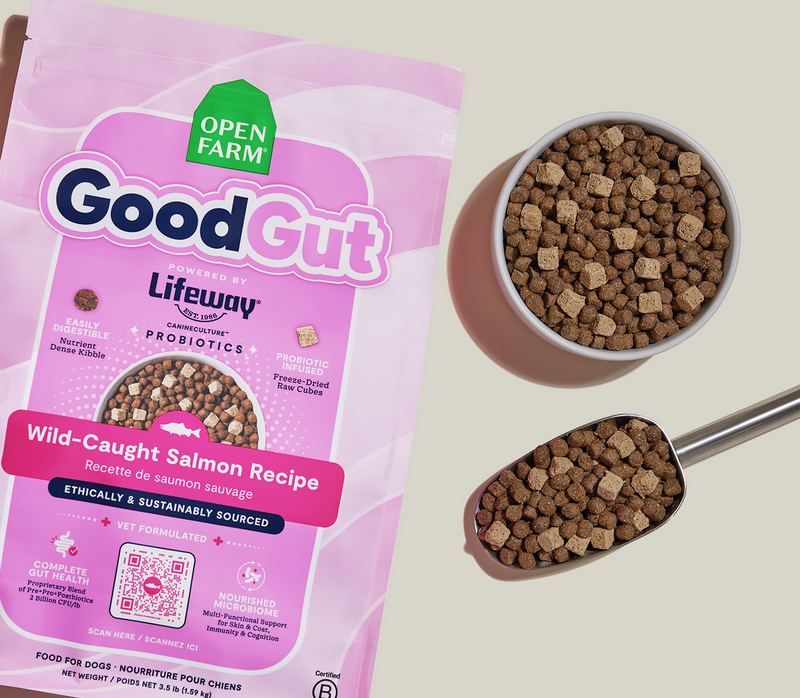
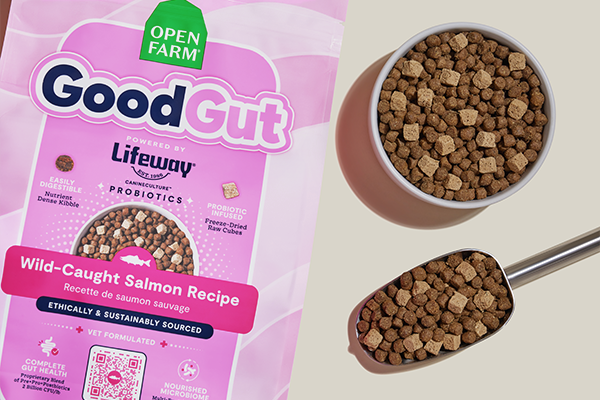
One way to address this is to find a food that your dog enjoys eating consistently while also supporting digestive health. For example, a picky dog that also experiences soft stools may benefit from a dog food for sensitive stomachs, such as GoodGut, which includes pre-, pro-, and postbiotics working together to support a healthy microbiome.
Dr. Moran's Takeaway
One of the biggest misconceptions about picky eating is that the solution is simply finding different food.
In my experience, it's often more helpful to start by asking why your dog has become reluctant to eat. Texture, aroma, digestibility, feeding routine, previous feeding experiences, health conditions, and digestive comfort can all influence whether a dog eats consistently, and understanding those factors can make it much easier to find a solution that works.
Often, small, thoughtful changes are enough to improve mealtime success without repeatedly switching foods. Ultimately, the best dog food for picky eaters is one your dog enjoys eating consistently, tolerates well, and that provides complete and balanced nutrition appropriate for their life stage and overall health.
*This article is meant only as an example of what might work well for your pet; please reach out to our Pet Parent Experience Team if you have any questions about your pet’s own unique circumstances. To ensure these products are a good fit for your furry friend, we also recommend consulting your vet about any new diet or environment changes, especially if there is a medical concern. They should be able to help, as you and your vet know your pet’s medical history best.