












 Dog
Dog
 Cat
Cat
 Sign In
 Create Account


Key Takeaways
- Loose stool can reflect a one-time disruption, a mismatch between a food and your dog’s digestion, or a bigger health concern that food alone won’t fix.
- Nutrients (fiber, fat, protein), digestibility, and feeding consistency can all affect stool quality, but no single ingredient works the same way for every dog.
- Chicken, pumpkin, and rice may be part of a veterinarian-guided short-term feeding plan, but they don’t automatically serve as a complete and balanced everyday diet.
- A limited-ingredient recipe can make it easier to track what your dog is eating, but it can’t diagnose a food sensitivity on its own.
- If you change your dog’s food, change one thing at a time and keep portions, treats, and other extras consistent so you can tell if one particular modification helped or not.
- Contact your veterinarian if you see blood or black stool, repeated vomiting, pain, lethargy, dehydration, a sudden loss of appetite, or ongoing diarrhea.
When your dog’s stool suddenly becomes soft or watery, it’s natural to wonder whether their food is to blame. A new recipe, a rich treat, a larger portion, or an ingredient your dog doesn’t tolerate can all affect digestion. But loose stool can also be a result of stress, parasites, infection, medication, or another health concern. That’s why the next step isn’t always a new bag of food.
It’s tempting to blame one ingredient when your dog’s stool changes. Before you do, look at the whole bowl and everything else that goes into it. Ask:
- What has your dog eaten recently?
- Has the stool change happened once, or does it keep returning?
- Is your dog eating, drinking, and acting normally?
Those details can help you and your veterinarian decide whether the everyday recipe is worth reviewing.
Use this guide to help you understand whether your dog’s food may be part of the problem, what to consider before making a change, and when to call your veterinarian.
Loose Stool Can Come From Your Dog’s Food, Their Feeding Routine, or a Health Concern
Before deciding that your dog’s everyday food is causing loose stool, remember that a single change in stool doesn’t necessarily mean the food is the problem. Pay attention to whether it happens once or continues, how your dog is acting overall, and whether the pattern changes over time.
One Loose Stool Occurrence May Just Be the Result of a One-Off Change
A new chew, extra table food, more treats during training, something your dog found and ate, or a stressful day can temporarily upset digestion. If your dog has one episode of loose stool but is eating, drinking, and acting normally, it may not be time to be concerned just yet. Watch what happens next before making sudden changes.
Recurring Loose Stool Over a Short Period Could Indicate a Problem
One episode after a new topper, a food change, or extra-rich treats may be a one-off. If loose stool follows the same change more than once and improves when you remove that change, make note of that. It still doesn’t confirm the cause, but it gives you and your veterinarian a clearer place to start.
If your dog has diarrhea, your veterinarian may suggest short-term options such as chicken and rice rather than changing their everyday food right away. If loose stool continues, or your dog also has bloody or black stool, repeated vomiting, pain, low energy, dehydration, or a sudden loss of appetite, contact your veterinarian immediately.
What Happens in the Digestive Tract When a Dog’s Food Changes?
When you switch foods, you’re changing more than one ingredient at a time. A new recipe may affect digestion in several ways:
- How much of the food your dog breaks down and absorbs
- How quickly food moves through the digestive tract
- How much water remains in the stool
- Which ingredients your dog is eating, especially if they’re new to your dog
These changes can affect stool even when the food is well-formulated. That’s why a food can look perfect on paper, but still not be the right fit for one dog, or may need longer to adjust to. One ingredient on the label doesn’t tell you how the whole recipe will work for your dog.
Digestibility Affects How Much Food Reaches the Colon
Digestibility describes how much of the food’s nutrients a dog can break down and absorb. What isn’t digested continues through the digestive tract. How much remains undigested, and what it consists of, can influence stool volume, texture, and odor.
When comparing foods, don’t assume that a short ingredient list means a more digestible recipe. Look at the protein and fiber sources, how calorie-dense the food is, whether it’s kibble, wet food, or freshly crafted food, and whether your dog eats the same portions comfortably from one meal to the next.
If your dog’s loose stool is part of a diagnosed health condition, your veterinarian may recommend a therapeutic diet designed for that condition. Follow their guidance rather than switching to a general food based on the ingredient list alone, and ask before changing their diet or transitioning to another recipe.
Fiber Can Change Water Balance and Movement Through the Gut
Different kinds of fiber can affect digestion in numerous ways. Some fibers absorb water, add bulk, or are fermented by gut microbes. Those differences matter because loose stool may involve too much water, faster movement through the digestive tract, or a recipe that doesn’t suit your dog’s current needs.
Because different types of fiber affect digestion in different ways, simply adding more fiber isn’t always the answer. Adding pumpkin, a fiber supplement, and a new food at the same time may change the stool, but it won’t tell you which change mattered. Purposeful fiber within a complete and balanced recipe may support stool quality for some dogs, while a higher-fiber formula may not be comfortable or beneficial for every dog.
If you’re considering extra fiber, ask your veterinarian whether your dog needs it and, if so, which kind and how much.
Fat and Rich Extras Can Matter More Than Your Dog’s Main Food
Some dogs develop looser stool after a rich meal, a sudden increase in dietary fat, or several calorie-dense extras layered onto their usual food. As mentioned previously, the source may be a topper, chew, table scrap, or generous portion rather than the base recipe itself.
This doesn’t mean a low-fat food is necessarily the right choice. Fat provides energy and is part of a balanced diet. The more important question is whether the overall amount and the change in amount fit your dog, especially if stool changes began after a richer meal or a new food with a different calorie density.
Protein History Matters When a Sensitivity is Suspected
Look for a recipe that names its protein source clearly, such as chicken, salmon, or beef. That makes it easier to compare your dog’s main food with their treats and notice whether loose stool tends to follow the same protein. Even if you spot that connection, it doesn’t confirm that the protein is the cause. Your veterinarian may need to use a structured diet trial to determine whether your dog truly reacts to it.
Dogs can show digestive or skin-related signs for many reasons. If your veterinarian suspects a food allergy or intolerance, they may recommend a structured diet trial using a limited-ingredient, novel-protein, hydrolyzed, or veterinary therapeutic diet. The right option depends on your dog’s history and the purpose of the trial.
Food Format and Portion Size Can Affect Digestion and Stool Consistency
Kibble, wet food, and freshly crafted food can all provide complete and balanced nutrition. Look for a recipe labeled for your dog’s life stage, such as puppy, adult, or senior, and follow the feeding guidelines for your dog’s size and activity level. No food format is automatically easier on digestion for every dog. What matters is whether you can serve the same food in measured portions and whether your dog eats it comfortably from day to day.
A switch from one format to another can also change moisture, calorie density, portion size, and eating speed at the same time. If stool changes afterward, you may need to look at the full picture of the feeding change rather than blame one ingredient.
Which Foods May Help With Loose Stool, and In Which Cases?
Short-term feeding guidance for loose stool and guidance on everyday meals may differ. A veterinarian may suggest chicken and rice while your dog’s stomach settles, but regular meals need to provide all the essential nutrients your dog needs in the right amounts.
Pumpkin, Chicken, or Rice May Be Suggested for Short-Term Digestive Upset
Pumpkin, plain chicken, and rice are often mentioned because they may be included in a temporary feeding plan for some dogs with digestive upset. If your veterinarian recommends one of them, follow the amount and duration they provide. A food that is useful for a short period may not be suitable as your dog’s complete, long-term diet.
When your dog is ready to return to regular food, the next step is usually a complete and balanced recipe that fits their life stage and nutritional needs. Your veterinarian can help determine when to make that transition, particularly if the diarrhea was severe, recurrent, or connected to another condition.
Choose a Complete and Balanced Recipe for Everyday Feeding
For everyday feeding, look for a recipe labeled “complete and balanced” for your dog’s life stage. That means it’s designed to provide the essential nutrients your dog needs, including protein, fat, vitamins, and minerals, in the right amounts when fed as directed. Then assess more than the stool itself. Appetite, energy, body condition, gas, urgency, and comfort can help show whether their overall diet is working well.
A food may be a better fit when it provides appropriate nutrition, uses ingredients your dog tolerates, includes purposeful formulation choices, and supports consistent stool, appetite, energy, and comfort over time.
Digestive-Support Ingredients Are Part of the Formulation, Not a Promise
Some dog foods include prebiotics, probiotics, and postbiotics as part of a broader approach to digestive support. Each one works a little differently in the gut. A food may include one, more than one, or none of them, and their presence alone doesn’t tell you whether the recipe is the right fit for your dog. Here’s what each one is and how it may support normal digestion:
- Prebiotics are types of fiber that beneficial gut microbes can use as fuel. By supporting those microbes, prebiotics may help maintain a healthy gut environment and more regular digestion.
- Probiotics are live beneficial microorganisms. In the right strains and amounts, they may help support a balanced gut microbiome and normal digestive function.
- Postbiotics are nonliving components or compounds produced by microorganisms. They may help support the gut environment and digestive function without containing live organisms.
A digestive-support ingredient also shouldn’t be evaluated in isolation. A recipe’s complete nutrient profile, protein and fat sources, fiber, feeding instructions, and your dog’s individual response still matter. If loose stool is caused by a parasite, infection, medication, or a health problem unrelated to diet, adding a digestive-support ingredient won’t address that cause.
A digestive-support ingredient also shouldn’t be evaluated in isolation. A recipe’s complete nutrient profile, protein and fat sources, fiber, feeding instructions, and your dog’s individual response still matter. If loose stool is caused by a parasite, infection, medication, or a health problem unrelated to diet, adding a digestive-support ingredient won’t address that cause.
When Switching Dog Foods May Help With Loose Stool
Changing food is most useful when there’s a specific reason to suspect your dog’s current feeding plan is contributing. The best next step depends on what changed:
- Loose stool started during a food switch: The transition may have moved too quickly, or the new recipe may not agree with your dog. Ask your veterinarian whether to slow the transition or return to the previous food before trying another recipe.
- The main food stayed the same, but treats, toppers, or portions changed: Adjust that newer variable first. Replacing the everyday food may make it harder to identify what factors upset your dog’s digestion.
- The same recipe seems to precede loose stool more than once: Bring that history to your veterinarian. A structured food trial can provide more useful information than choosing a new recipe based on a single ingredient or package claim.
- Your dog has a diagnosed digestive condition: Follow the diet plan your veterinarian recommends. Anything else may not provide the specific nutrition your dog’s condition requires.
If you do change foods, make one change at a time and keep the rest of the feeding routine as consistent as possible. That gives you a fair way to judge whether the new recipe is helping, instead of reacting to every individual bowel movement. If symptoms worsen, keep returning, or don’t improve, contact your veterinarian before trying another food.
When Loose Stool Needs Veterinary Attention
Diet may be part of the solution, but it isn’t the right first step for every case. Contact your veterinarian promptly if your dog has:
- Blood in their stool
- Stool that looks black, sticky, or tar-like
- Repeated vomiting
- Severe or ongoing diarrhea
- Pain, unusual or severe tiredness, or signs of dehydration
- A sudden loss of appetite
- Weight loss or other concerning changes
Reach out sooner if your dog is a puppy, a senior, or living with an underlying health condition. Loose stool that continues into the next day or two, keeps returning, or doesn’t improve with your veterinarian’s plan deserves a closer look.
How We Approach Digestive Support at Open Farm
At Open Farm, digestive health is part of everyday nutrition. That’s why we recommend looking at ingredient quality, formulation, feeding fit, and your dog’s response over time, rather than reducing digestive support to one ingredient or a front-of-bag claim. If you’d like to learn more about how we develop our recipes, take a closer look at our veterinary nutritionist’s approach to recipe development.
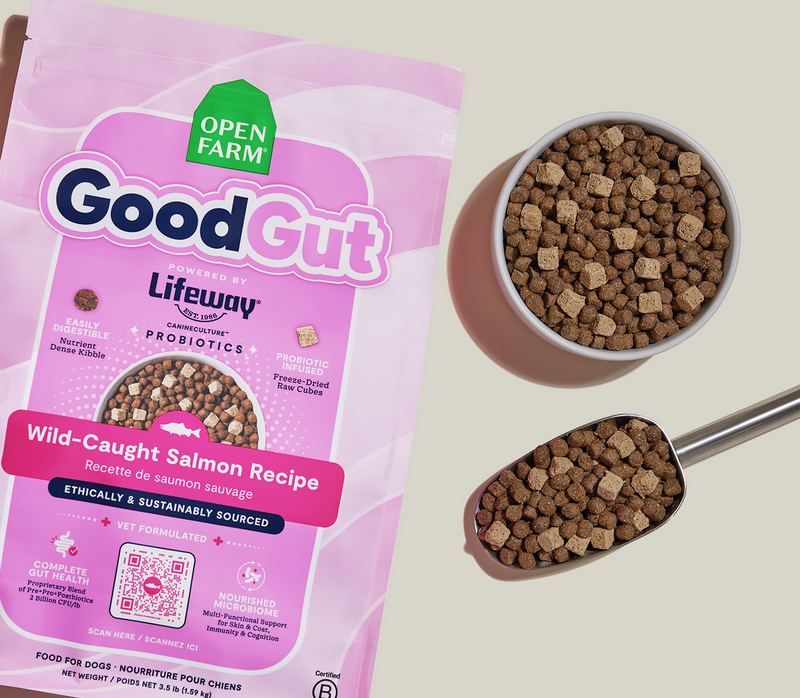
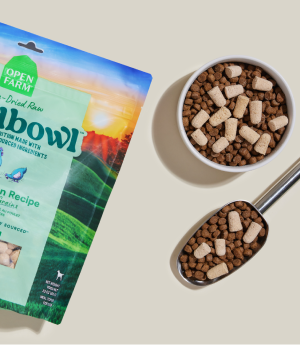
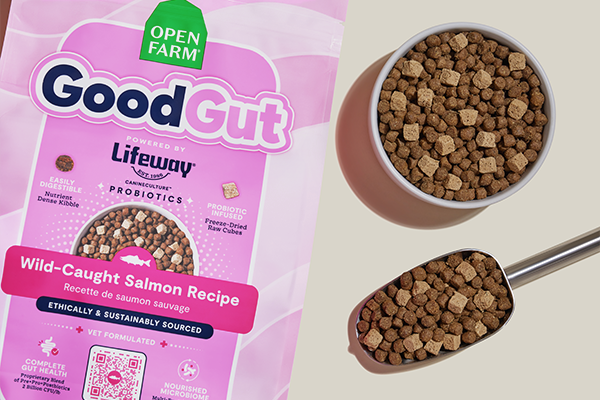
GoodGut, our newest digestive-support food line, was created to support a healthy gut with prebiotics, probiotics, and postbiotics. It’s designed as part of your dog’s everyday nutrition.
Digestive support also starts with knowing what goes into your dog’s food. Our Transparency Tool provides more information about our ingredient sourcing and lot-specific details, so you can consider both the recipe itself and the decisions behind the ingredients when choosing an everyday food.
Frequently Asked Questions About Dog Food for Loose Stool
What Is the Best Dog Food for Loose Stool?
There isn’t one best dog food for every dog with loose stool, as it’ll depend on several factors unique to your dog. These may include diet changes, stress, or allergies, so be sure to discuss it with your veterinarian first.
If your veterinarian suggests a diet change, start with a recipe labeled complete and balanced for your dog’s life stage, uses ingredients they tolerate, and allows you a consistent feeding routine. Purposeful fiber, overall formulation, and your dog’s response across multiple meals matter more than one trend or ingredient claim.
Can Changing Your Dog’s Food Help With Loose Stool?
Changing food may help when the recipe, feeding routine, or a food sensitivity appears to be contributing to loose stool. It’s less likely to solve the problem when the change is a one-off or when loose stool comes with signs of illness that need veterinary attention.
If you and your veterinarian decide that a food change makes sense, choose one complete and balanced recipe that fits your dog’s life stage and can be fed consistently. Introduce it gradually, keep other foods and treats consistent, and watch for changes in stool, appetite, energy, gas, and comfort.
What Dog Food Helps Firm Up Loose Stool Without Disrupting Digestion?
A food may support more consistent stool when it fits your dog’s needs and is introduced gradually, but no food will have the same result for every dog. Look for a complete and balanced recipe with a protein your dog tolerates, purposeful fiber, and a formulation you can feed consistently. If loose stool is severe, ongoing, or recurring, ask your veterinarian about the right diet rather than trying multiple foods on your own.
What Is the Best Dog Food for a Sensitive Stomach?
The best dog food for a sensitive stomach is one your dog can eat consistently, digest comfortably, and receive as everyday nutrition. Depending on your dog’s history, your veterinarian may recommend a simpler recipe, a limited-ingredient food, a novel protein, or a veterinary therapeutic diet. The right choice depends on the cause of the digestive concern.
What Are the Signs You Should Switch Your Dog’s Food?
Persistent loose stool, recurring gas, changes in appetite, skin or coat concerns, or weight changes are reasons to talk with your veterinarian and review your dog’s current food. These signs can have causes unrelated to diet, so a food change isn’t always the first step. If your veterinarian determines the diet may be contributing, they can help you choose an appropriate recipe and transition plan.
Why Do Dogs Develop Food Sensitivities and Intolerances Over Time?
Food sensitivities and intolerances may become noticeable at different points in a dog’s life. A dog’s individual history, immune response, digestion, and environment may all play a role, and signs can develop gradually. Because digestive and skin symptoms can have many causes, a veterinarian should guide any elimination diet or ingredient challenge.
How Do I Choose a Limited-Ingredient Dog Food for Multiple Food Sensitivities?
Start with your veterinarian, especially if your dog has multiple symptoms or a history of reacting to several foods. A limited-ingredient recipe can make it easier to track what’s causing their discomfort, but it doesn’t replace a structured diet trial when you need to identify a trigger. Choose a recipe that meets your dog’s nutritional needs, keep treats and supplements consistent, and change only one variable at a time.
Find Digestive Support for Your Dog
If your veterinarian agrees that a food change makes sense, consider GoodGut as you look for an everyday food for your dog. We created GoodGut to support healthy digestion through a whole-recipe approach, with prebiotics, probiotics, and postbiotics included as part of the formulation.
As you compare your options, look for a food that provides complete and balanced nutrition for your dog’s life stage, fits your feeding routine, and gives you a consistent way to observe how your dog responds. A food change may be one part of supporting better digestion, but your veterinarian should help guide the decision when loose stool continues or comes with other symptoms.
*This article is meant only as an example of what might work well for your pet; please reach out to our Pet Parent Experience Team if you have any questions about your pet’s own unique circumstances. To ensure these products are a good fit for your furry friend, we also recommend consulting your vet about any new diet or environment changes, especially if there is a medical concern. They should be able to help, as you and your vet know your pet’s medical history best.


